 6D/5N
6D/5NBhutan Druk Path Trek
Paro → Jele Dzong → Jimilang Tsho → Thimphu
- Stay
- Meals
- Transport
- Guide
₹68,500/ person
17–22 Oct 20266 seats left
Thimphu & Paro, Bhutan
A Himalayan kingdom that measures itself by Gross National Happiness, keeps 70 per cent of its land under forest by constitutional requirement, and asks visitors to be deliberate about coming.
Season, route in, and what an Indian passport needs at the border. Rules change — confirm the visa position close to your departure.
October and November for the clearest skies, the Thimphu and Jakar festivals, and dry trekking ground. April and May for rhododendron and magnolia through the valleys, with hazier mountain views. June to September is the monsoon; December to February is cold, very clear, and the high passes on the Druk Path can be snowed under.
Paro (PBH) is served by only two airlines, Drukair and Bhutan Airlines, with non-stops from Delhi (about 2h30, usually via a technical stop), Kolkata (1h05), Bagdogra, Guwahati and Bodh Gaya. Seats are limited and fares do not fall — book early. The overland alternative is Phuentsholing on the West Bengal border, a short drive from Jaigaon and about four hours from Bagdogra, then six hours up to Thimphu.
Visa: Indian nationals do not need a visa. You need an entry permit, applied for online through Bhutan's Department of Immigration before travel, and a passport or an Indian voter ID card. Children under 18 need a passport or birth certificate.
Fixed dates, live seat counts, run by our own leaders.
6D/5NParo → Jele Dzong → Jimilang Tsho → Thimphu
17–22 Oct 20266 seats left
Bhutan is the one country on this list that has decided, as policy, not to maximise visitor numbers. The constitution requires at least sixty per cent forest cover in perpetuity and the country has held above seventy for years; tobacco sales were banned outright for over a decade; and the Sustainable Development Fee makes every visitor pay towards conservation and public services. The effect is a Himalaya that looks like the Himalaya used to.
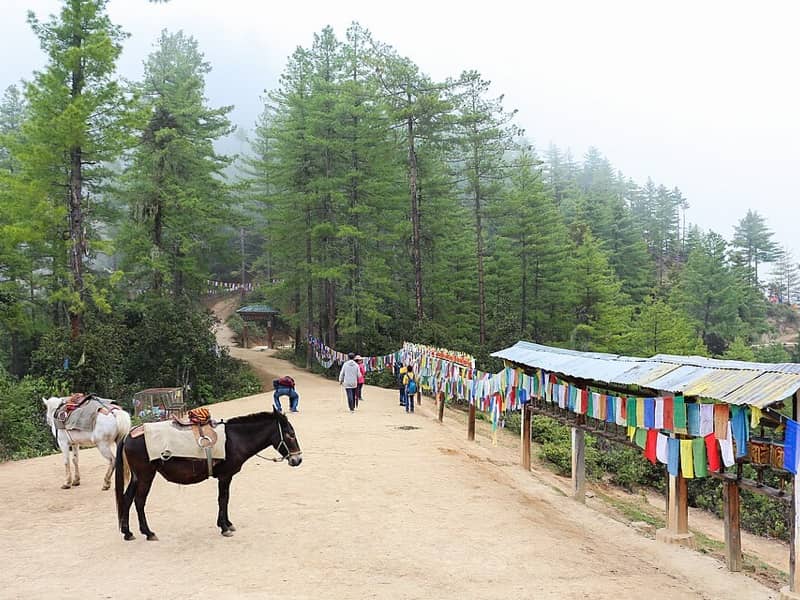
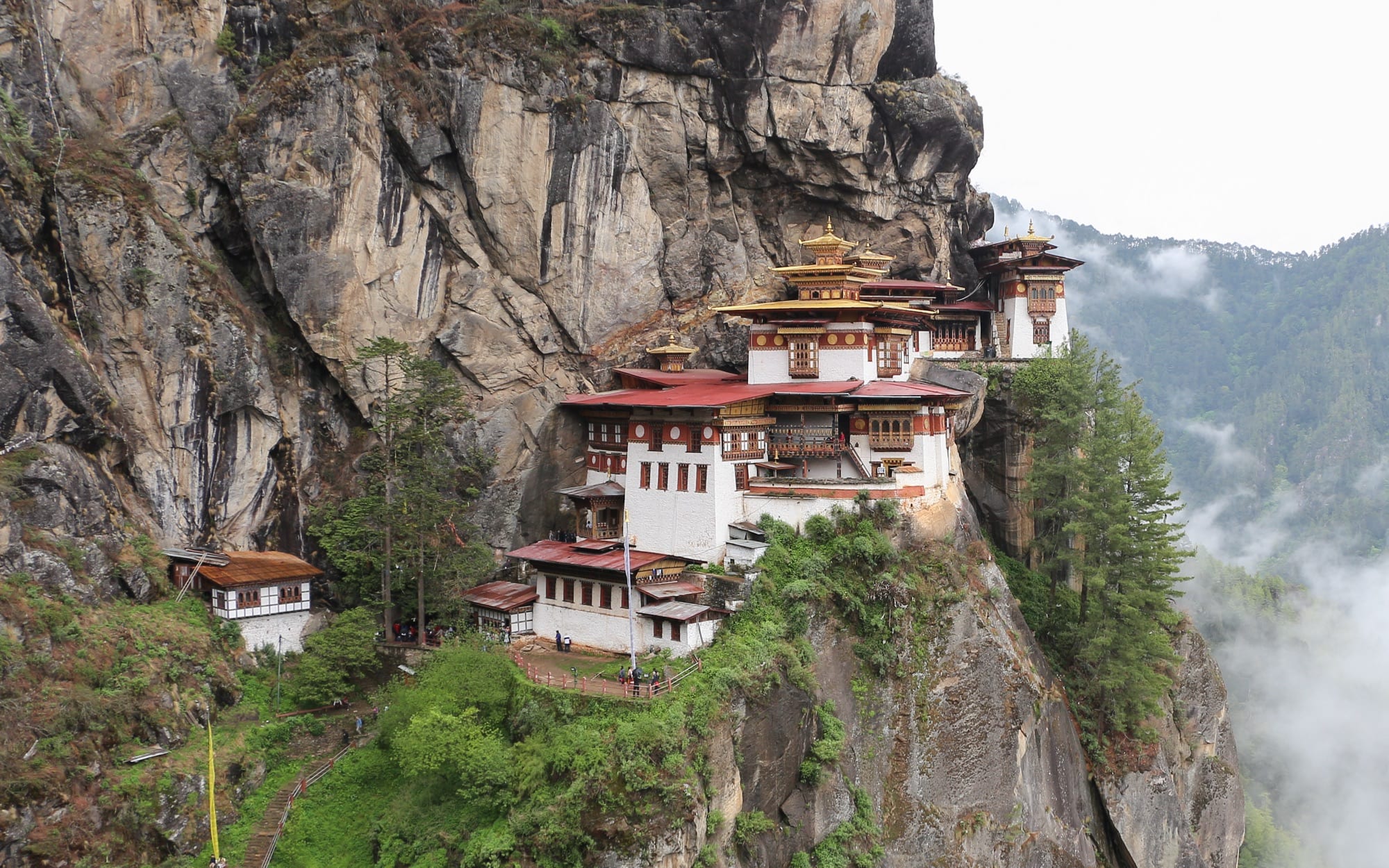
Paro holds the international airport, the seventeenth-century Rinpung Dzong, and Taktsang — the Tiger's Nest — clinging to a cliff about 900 m above the valley floor at roughly 3,120 m. The walk up takes two to three hours and is the single thing most people come for. Thimphu, an hour and a half east, is the capital and famously has no traffic lights: a policeman directs the main junction from a painted pavilion. Its weekend market, the Buddha Dordenma statue at 51 m above the valley, and the National Textile Museum fill a day comfortably.
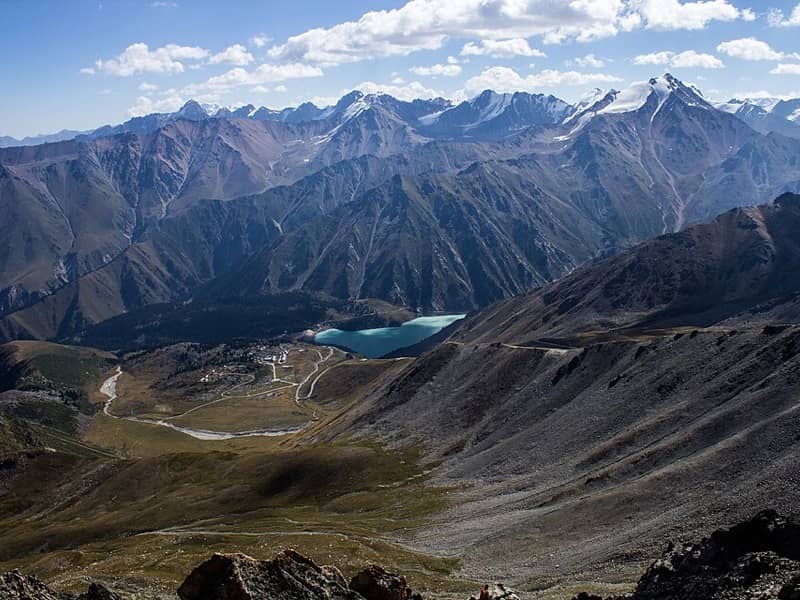
Beyond the two western valleys the country opens up. Punakha Dzong, at the confluence of the Pho Chhu and Mo Chhu rivers, is the most beautiful building in Bhutan and was the seat of government until 1955; the Dochula pass at 3,100 m on the road there gives the eastern Himalayan skyline on a clear morning. The Druk Path — the old walking route between Paro and Thimphu over four high lakes — is the classic short trek and needs no more than reasonable fitness.
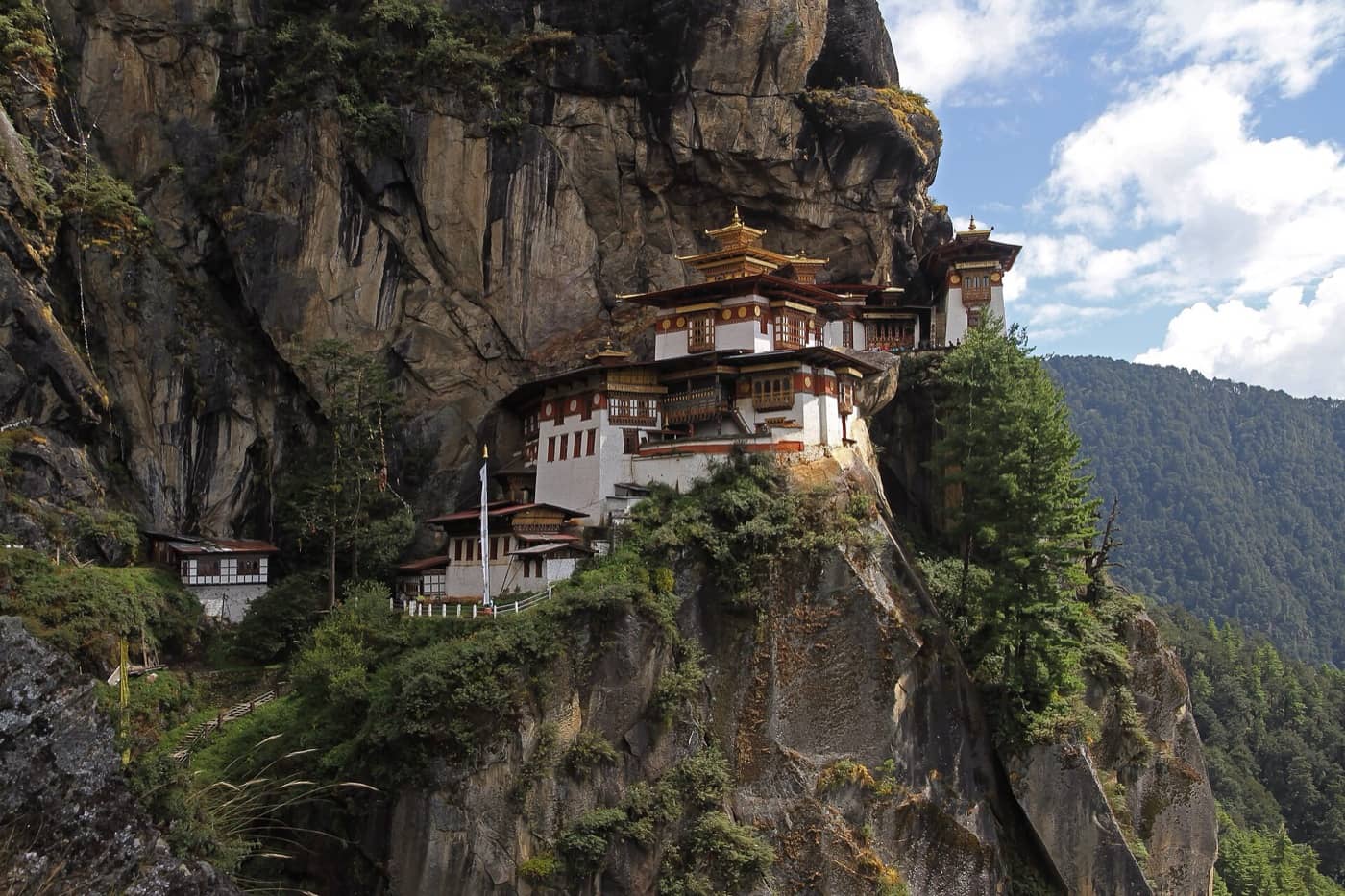
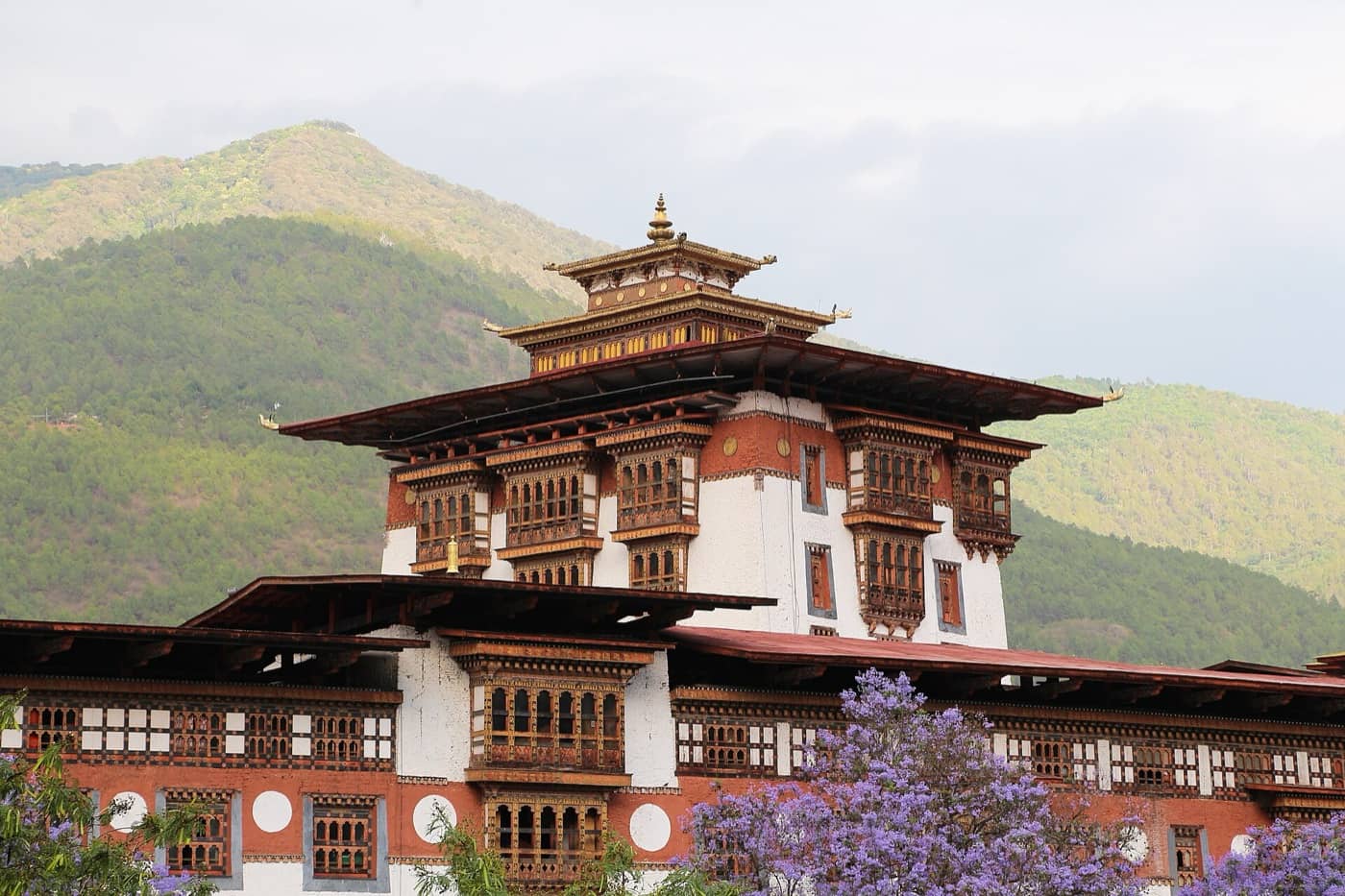
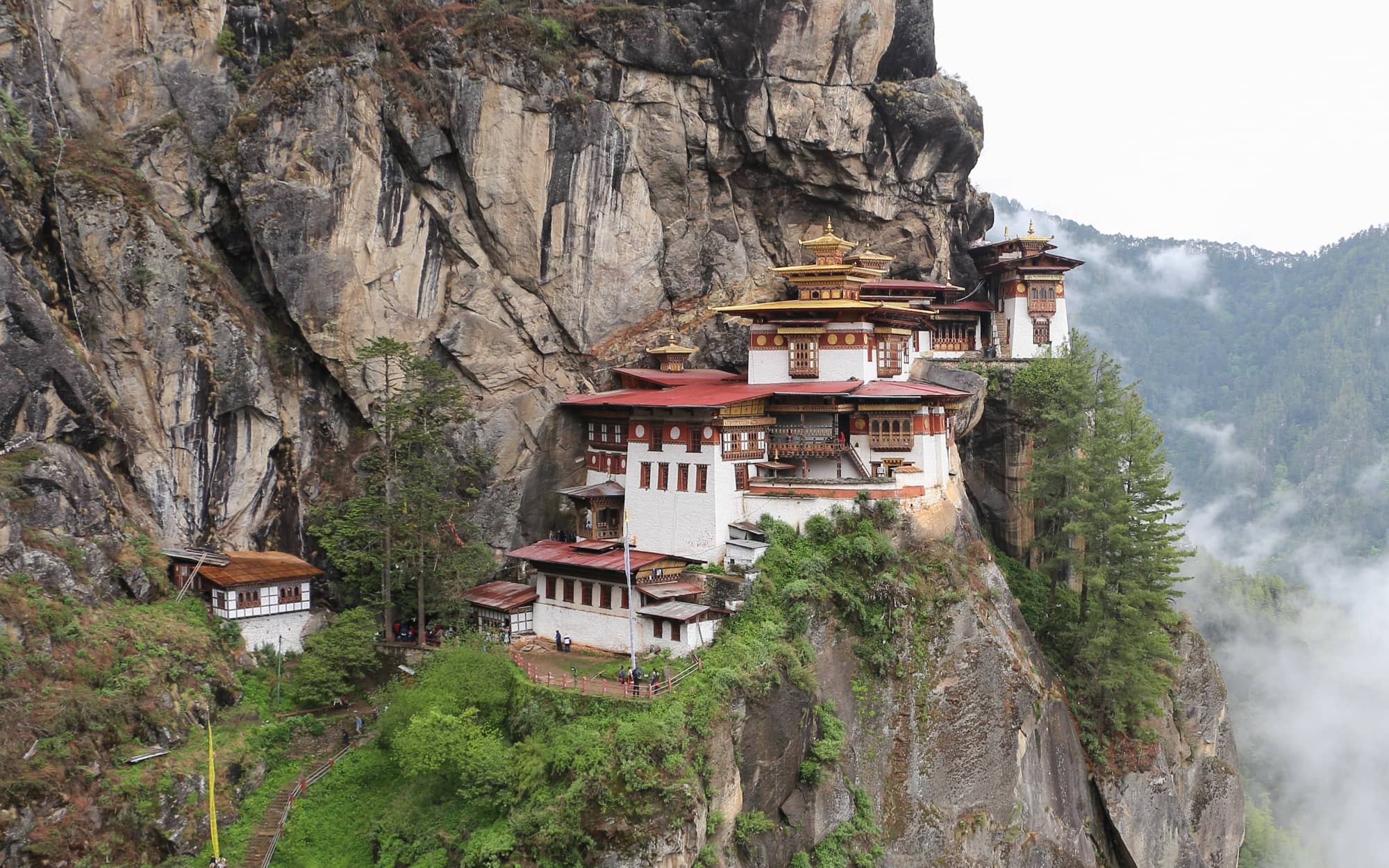
Photographs of Bhutan — Thimphu & Paro by their creators — photo credits.
Vivek Sarin
Simkotra at 4,110 m was a properly cold night and the bags were rated for it. Phume La the next morning in clear weather with the eastern Himalaya out is worth the whole trip. Marking this four rather than five only because the first day's climb out of Paro is steeper than 'deliberately short' had me expecting — arrive fit.
Meghna Barua
Two other operators quoted me lower and then added ₹1,200 a night on top. Himgiri's price had it in from the start, and the permits were done before I landed. The trek itself: three days on a ridge with lakes to camp beside and almost nobody else on it. Doing Taktsang on the last day with trek legs was a very good idea.