 8D/7N
8D/7NAnnapurna Teahouse Trek — Poon Hill & Ghandruk
Kathmandu → Pokhara → Nayapul → Ghandruk
- Stay
- Meals
- Transport
- Guide
₹38,500/ person
10–17 Oct 2026Only 3 seats left
Bagmati & Gandaki, Nepal
No visa, no language barrier and eight of the world's fourteen 8,000 m peaks — the most accessible serious mountain country an Indian passport can reach.
Season, route in, and what an Indian passport needs at the border. Rules change — confirm the visa position close to your departure.
October and November are the best weeks of the year: post-monsoon, stable, and the clearest mountain views. March and April are the second season, warmer and hazier low down but with rhododendron in flower between 2,500 and 3,300 m. December to February is cold and clear but the high passes hold snow. June to September is the monsoon — leeches, cloud and no views.
Kathmandu (KTM) is non-stop from Delhi (about 1h45), Kolkata (1h15), Varanasi, Lucknow, Mumbai (about 3h), Bengaluru and Ahmedabad. Pokhara is a 25-minute domestic flight from Kathmandu or six to seven hours by road on the Prithvi Highway. Overland entry from India by road at Sunauli, Raxaul or Kakarbhitta is also open to Indian nationals.
Visa: none required for Indian nationals. Carry a passport, or a voter ID card issued by the Election Commission of India, as photo identity — those are the two documents Nepali immigration accepts for Indians arriving by air.
Fixed dates, live seat counts, run by our own leaders.
8D/7NKathmandu → Pokhara → Nayapul → Ghandruk
10–17 Oct 2026Only 3 seats left
Nepal is the shortest possible step from Indian trekking to Himalayan trekking, and for Indian nationals it is administratively almost frictionless: no visa, the rupee accepted at a fixed rate, and Hindi understood nearly everywhere. What it adds is scale. Eight of the fourteen mountains above 8,000 m stand in or on the border of this country.
The Kathmandu valley holds seven UNESCO-listed monument zones in an area smaller than Delhi. Pashupatinath on the Bagmati is one of the most important Shaiva sites anywhere and functions as a cremation ground as well as a temple; Boudhanath is among the largest stupas in the world and the centre of Tibetan Kathmandu; Swayambhunath sits on its hill above the city; and the three Durbar Squares at Kathmandu, Patan and Bhaktapur are Newar palace complexes, substantially rebuilt after the 2015 earthquake.
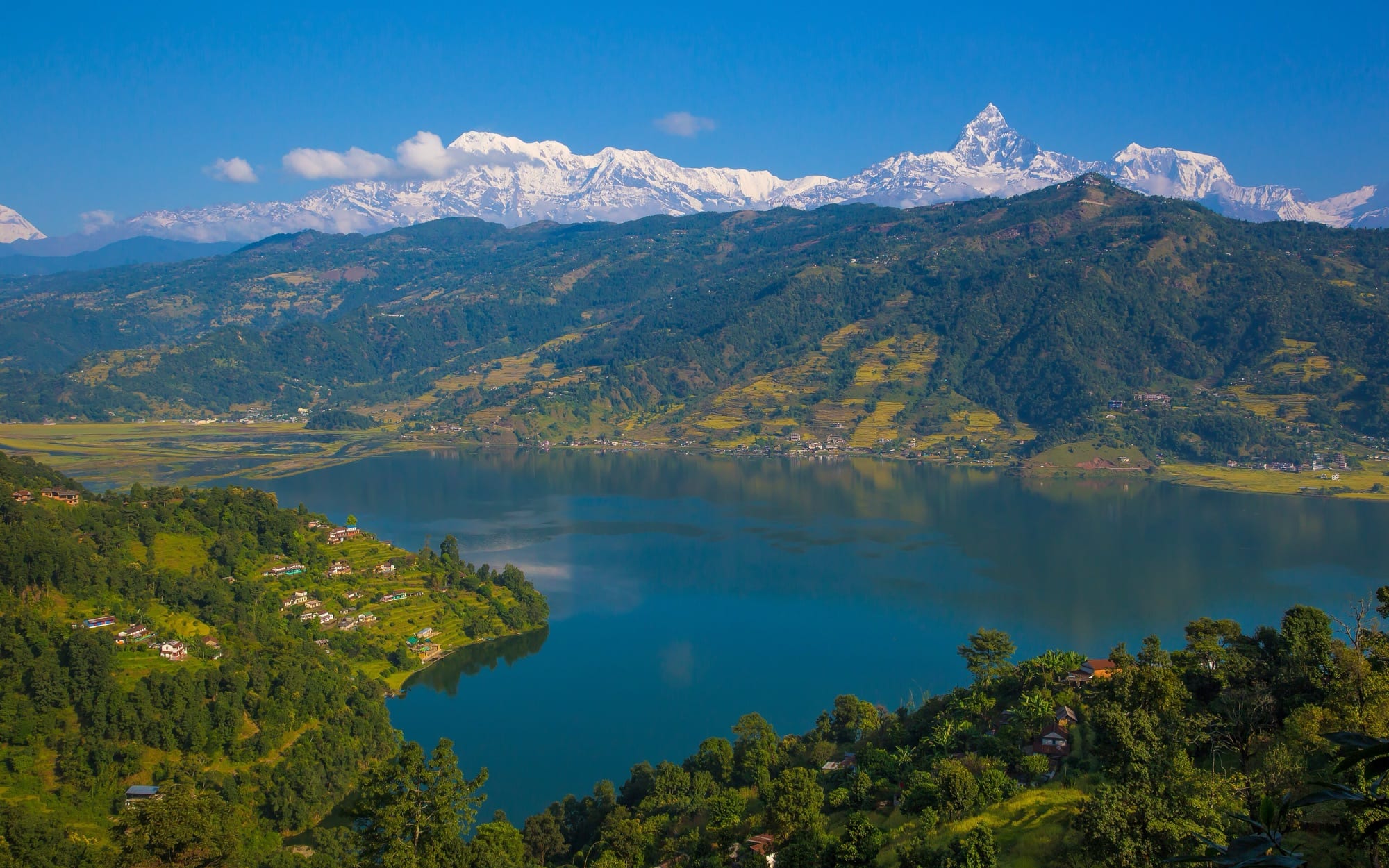
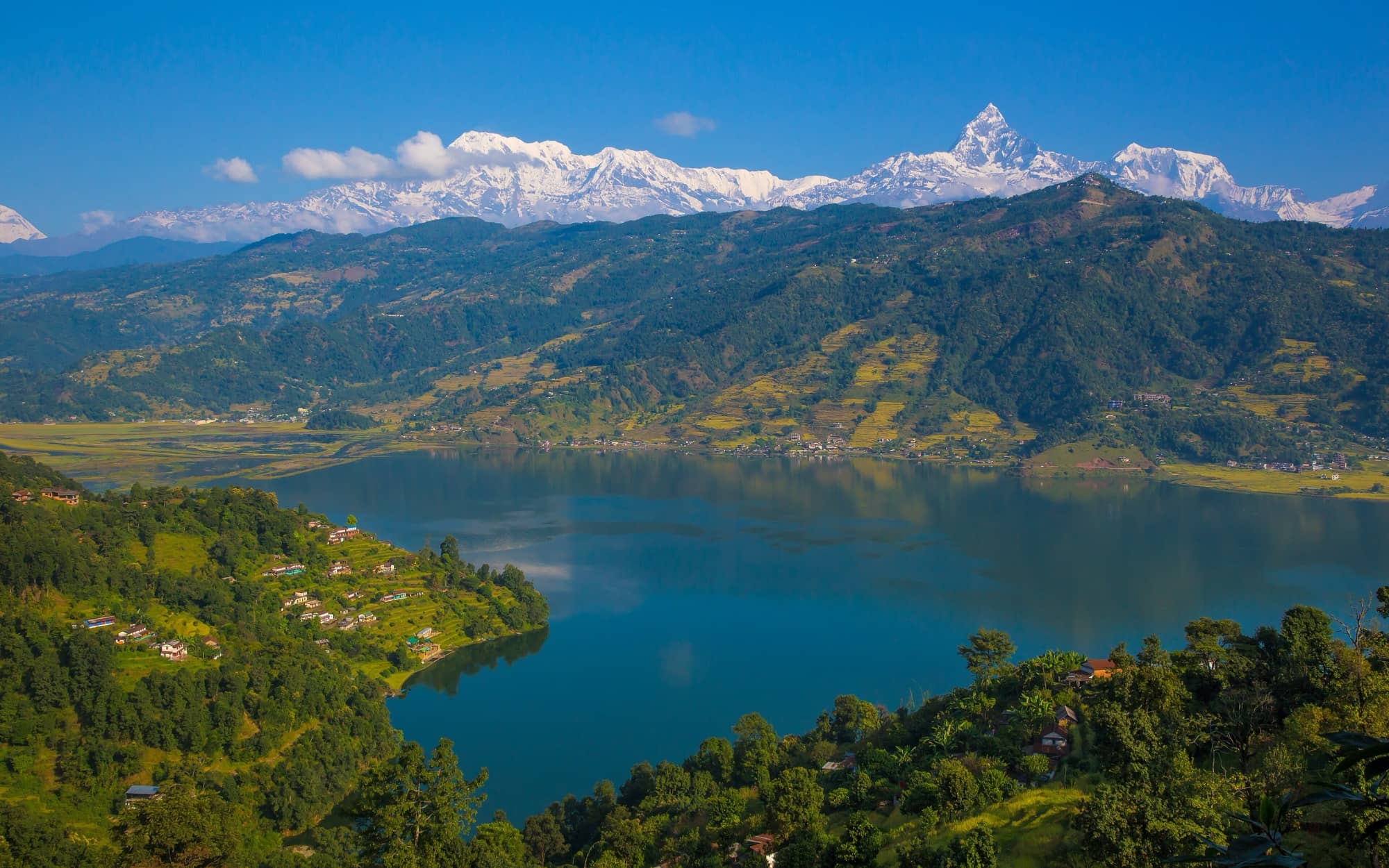
Pokhara, two hundred kilometres west at about 820 m, is the trekking capital and the softest-landing lake town in the Himalaya. Phewa Tal reflects the Annapurna wall on a still morning; Machhapuchhre, the unclimbed fishtail peak at 6,993 m, stands almost directly north; and the teahouse trails into the Annapurna Conservation Area — Ghorepani, Poon Hill at 3,210 m, Ghandruk — start within an hour's drive.
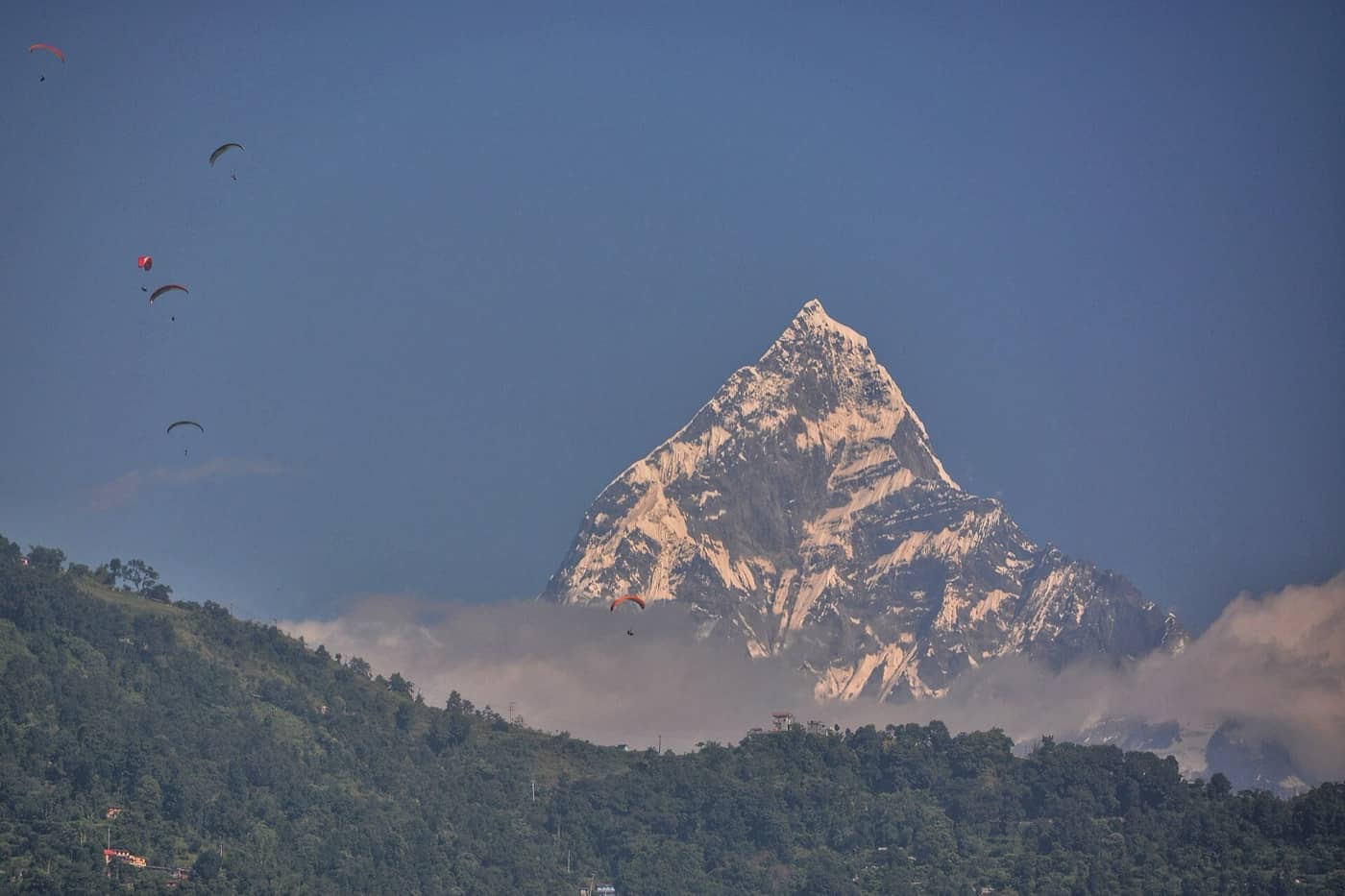
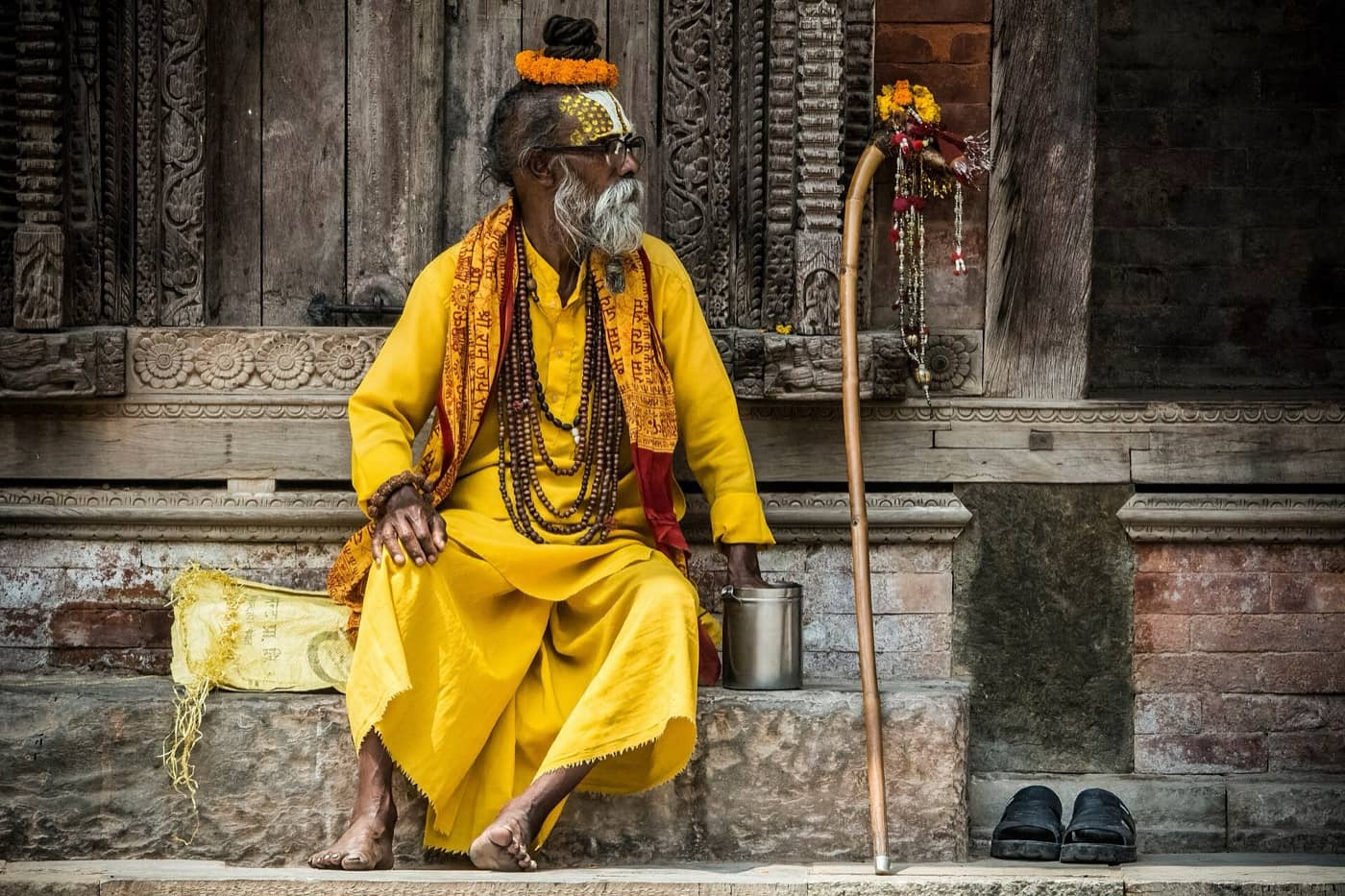
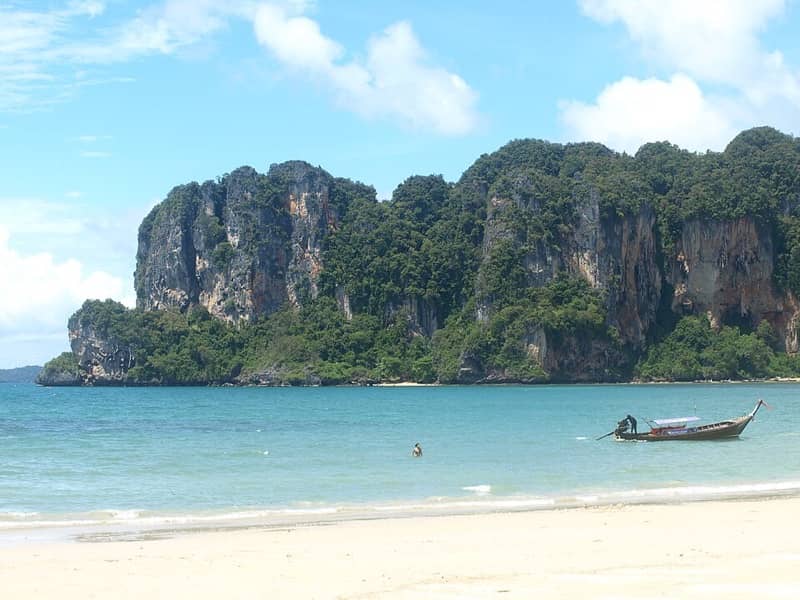
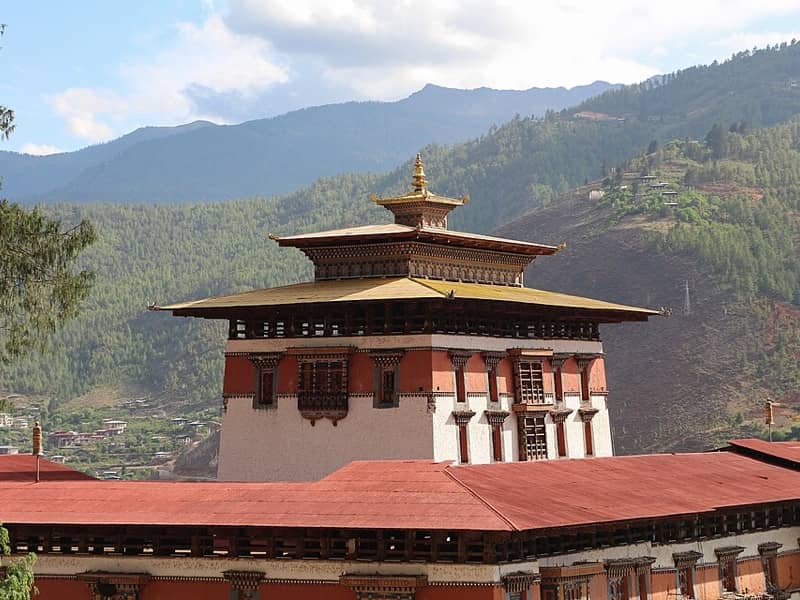
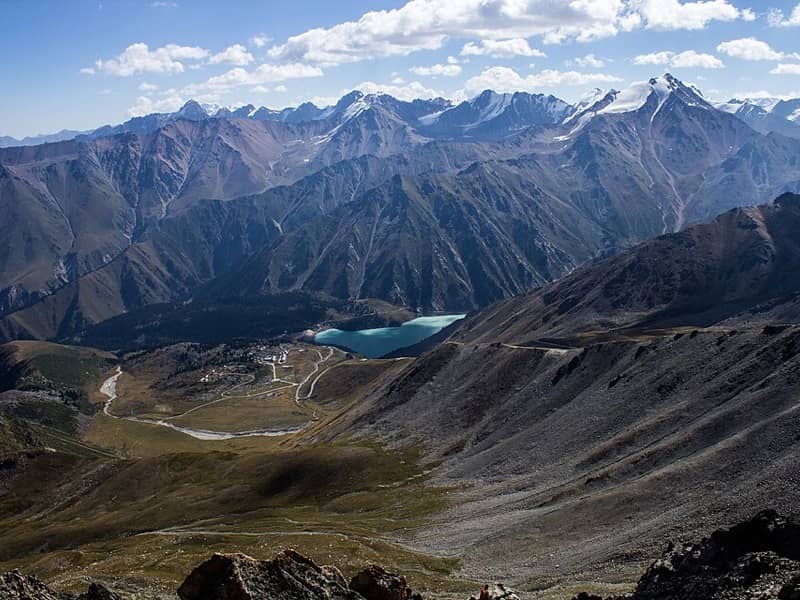
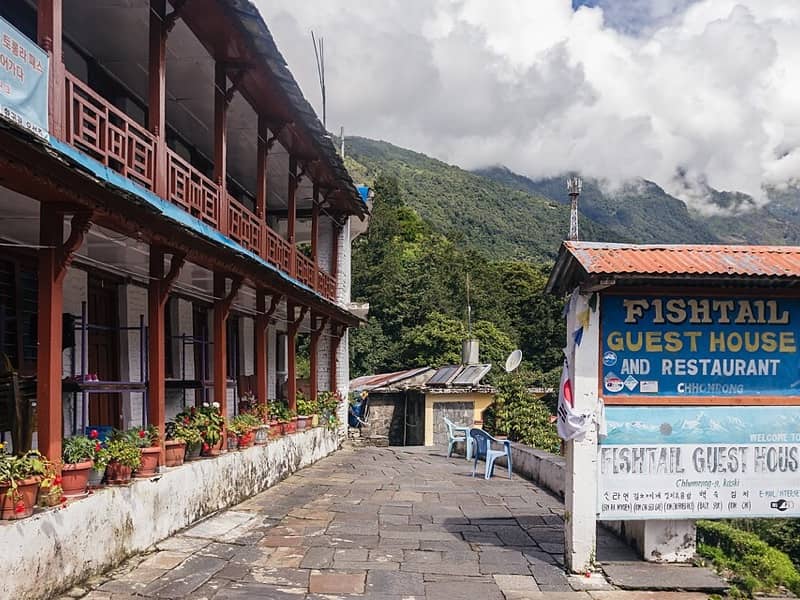
Photographs of Nepal — Kathmandu & Pokhara by their creators — photo credits.
Suraj Thapa
Three thousand-odd stone steps in one morning, and the itinerary says so in plain language. Take it in twenty-minute blocks and you will be fine. After that the trek is comfortable — Ghandruk day is three hours and mostly downhill, and the placement of that easy day is clearly deliberate. Guide carried oxygen and checked us with an oximeter every evening.
Aparna Godbole
Eight days, four of them walking, a licensed guide, porters, permits and teahouses, and I paid less than my last domestic trek. Poon Hill at dawn with Dhaulagiri going pink is the single best mountain view I have stood in front of. No visa, rupees accepted, Hindi understood — it barely feels like going abroad until you look up.