 3D/2N
3D/2NCoorg Coffee Trails
Madikeri → Talakaveri
- Stay
- Meals
- Transport
- Guide
₹11,500/ person
16–18 Oct 20266 seats left
Karnataka, India
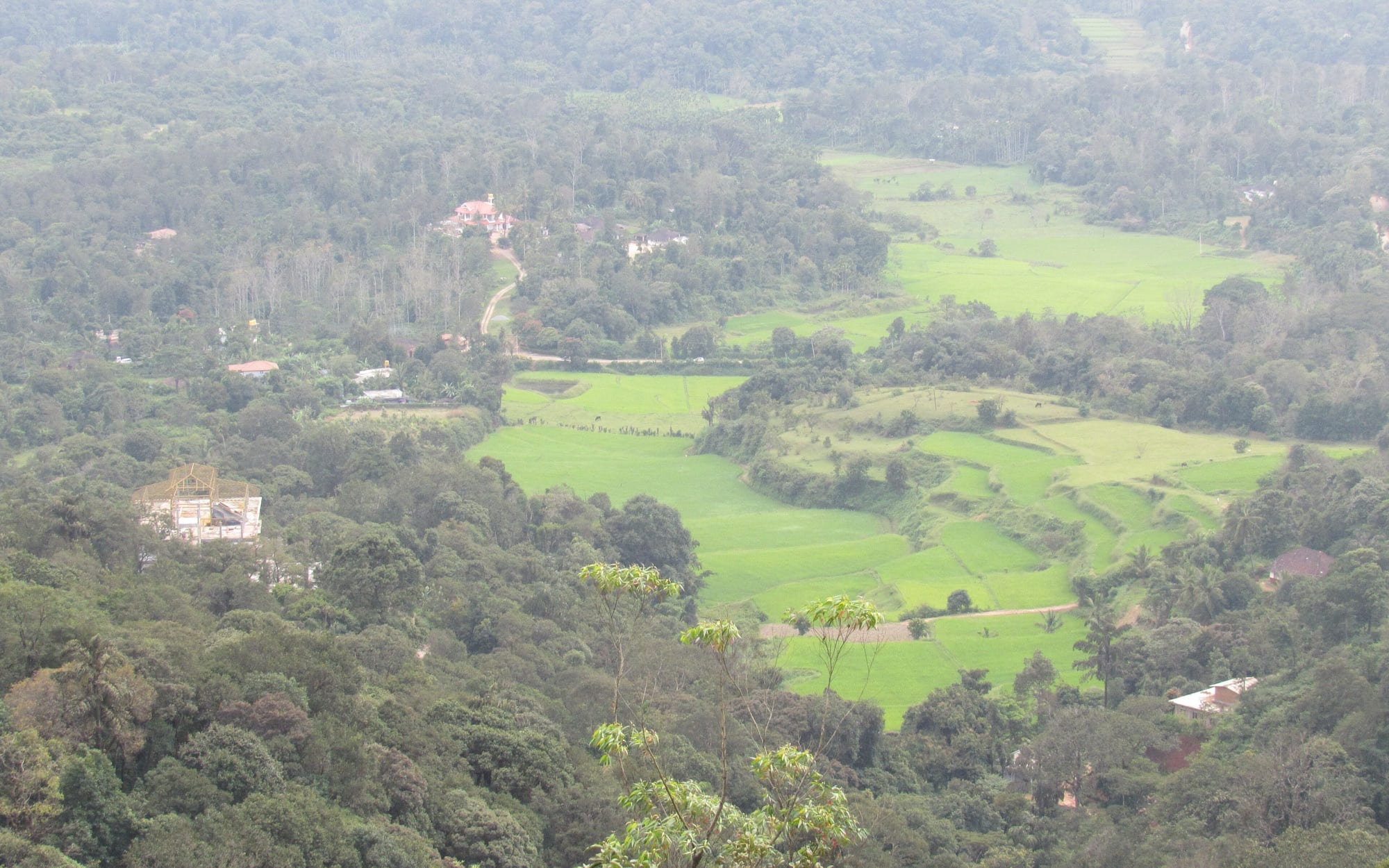
Kodagu district: shade-grown coffee under rosewood and silver oak, the source of the Kaveri on a hilltop, and elephants on the river at Dubare.
Fixed dates, live seat counts, run by our own leaders.
3D/2NMadikeri → Talakaveri
16–18 Oct 20266 seats left
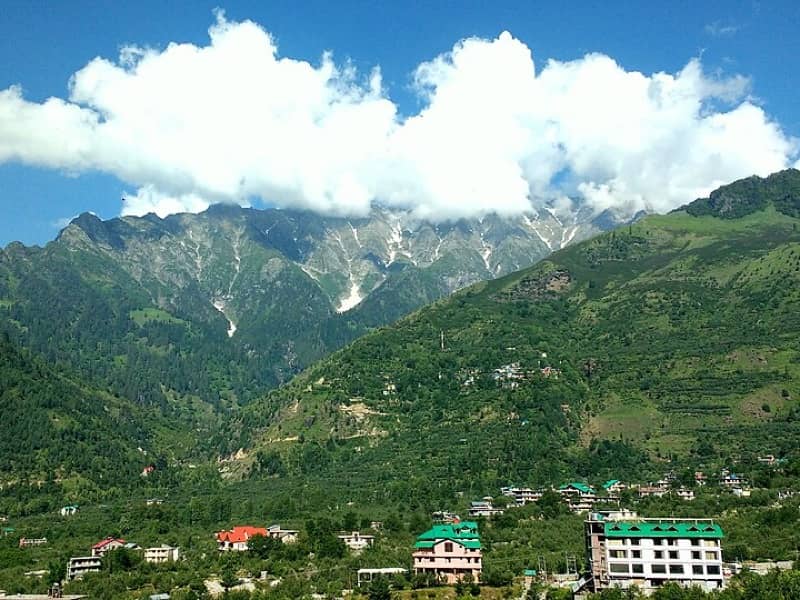
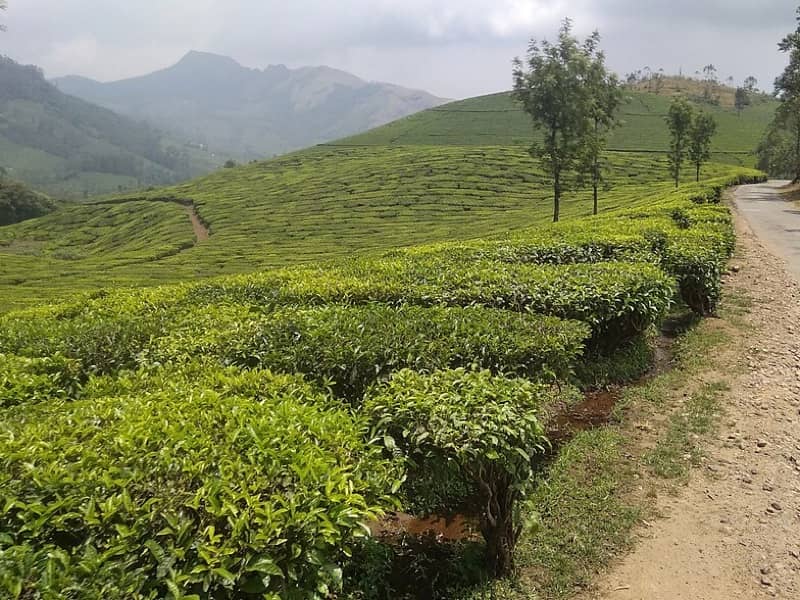
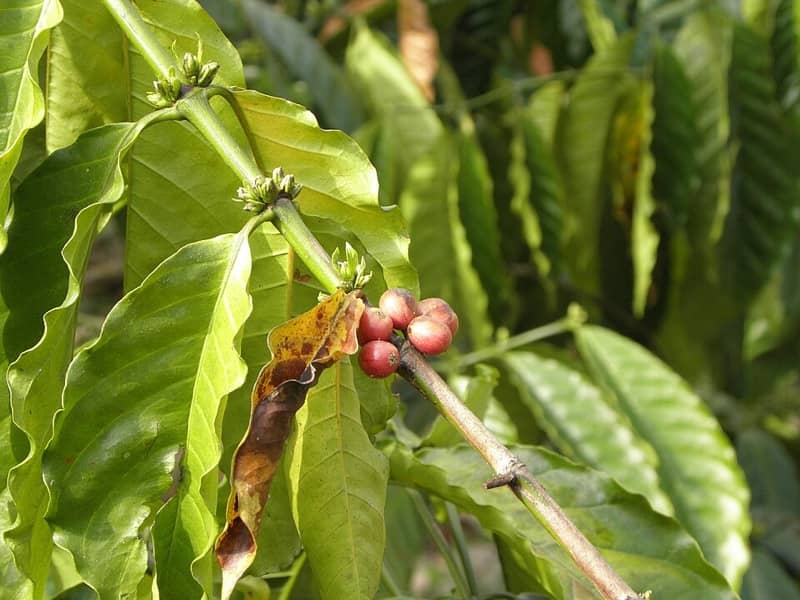
Coorg — Kodagu, properly — is a district of ridges between 900 and 1,700 m on the Karnataka side of the Western Ghats, and it grows most of India's coffee. Nearly all of it is shade-grown: arabica and robusta planted under rosewood, jackfruit and silver oak, with pepper vines trained up the trunks, which is why the estates read as forest rather than as plantation.
Madikeri, the district town, is small and has one good reason to stop — the view from Raja's Seat at the end of the afternoon, when cloud fills the valleys below the escarpment. Talakaveri, an hour south-west on Brahmagiri, is the ritual source of the Kaveri and fills once a year on Tula Sankramana, when the spring rises on a fixed date in October.
When to go. October to March, dry and cool. The coffee harvest runs roughly November to January and is the most interesting time to walk an estate. September to November is when the falls at Abbey and Iruppu are actually running, but expect afternoon rain either side of that.
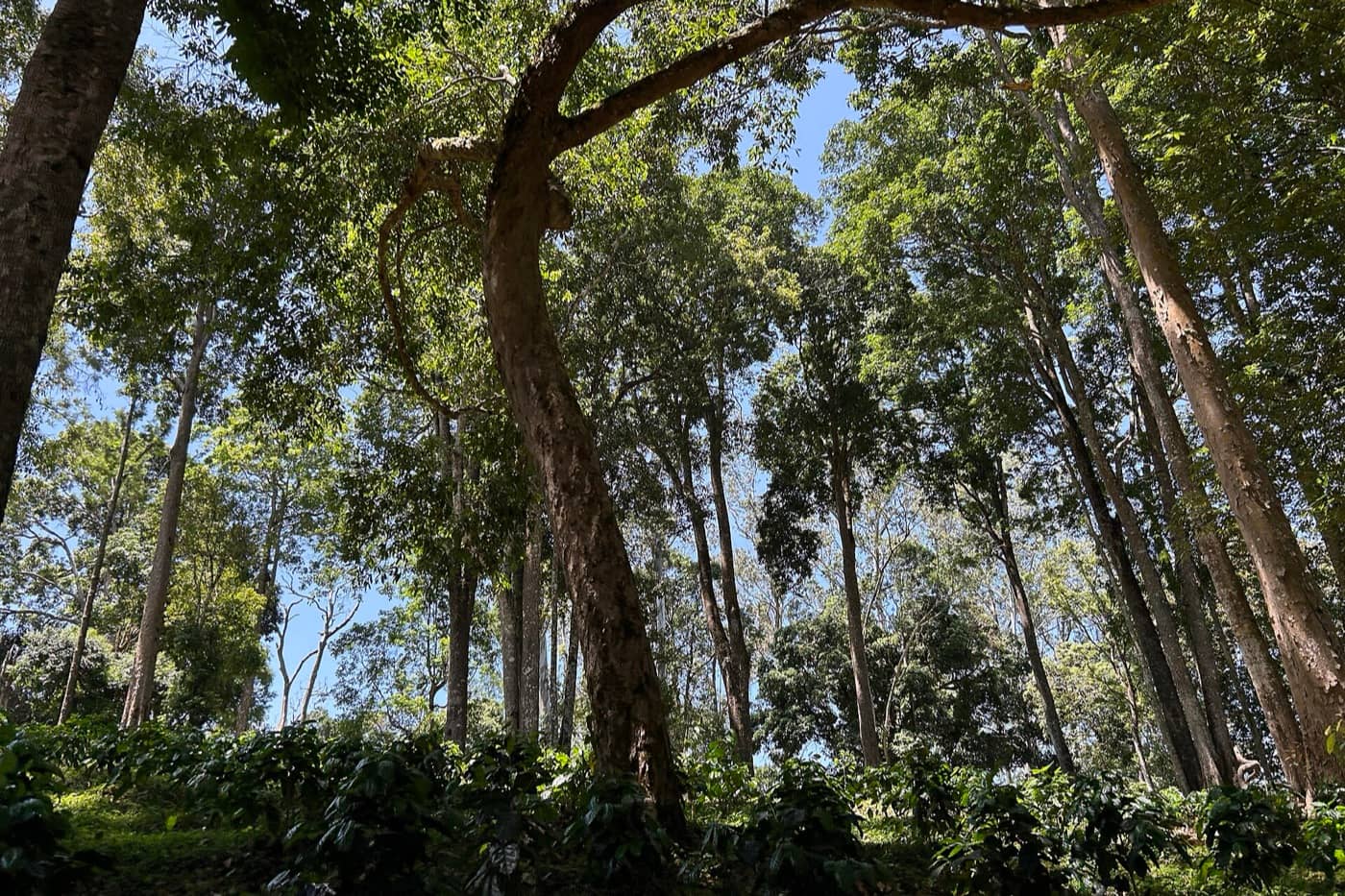
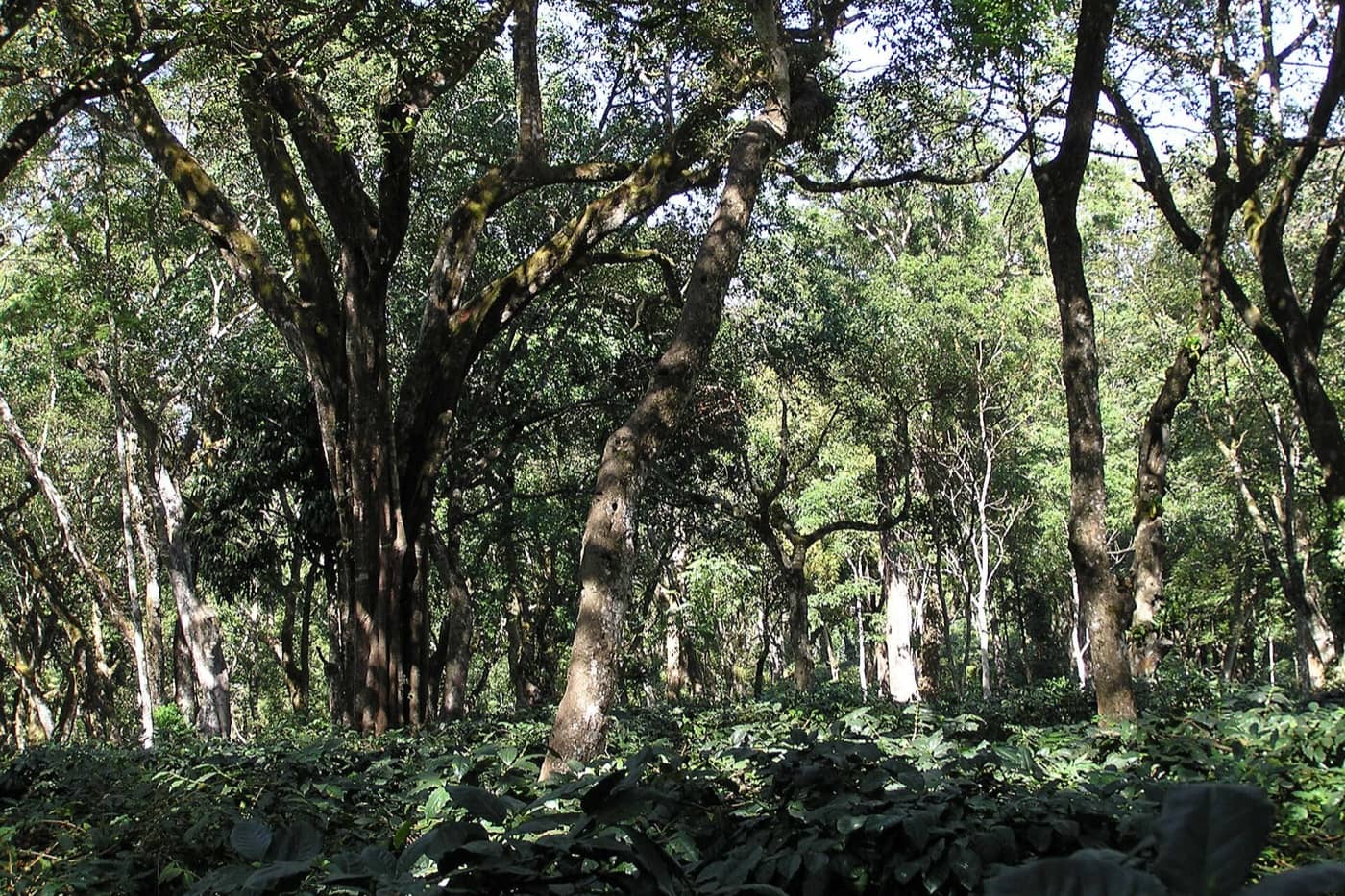
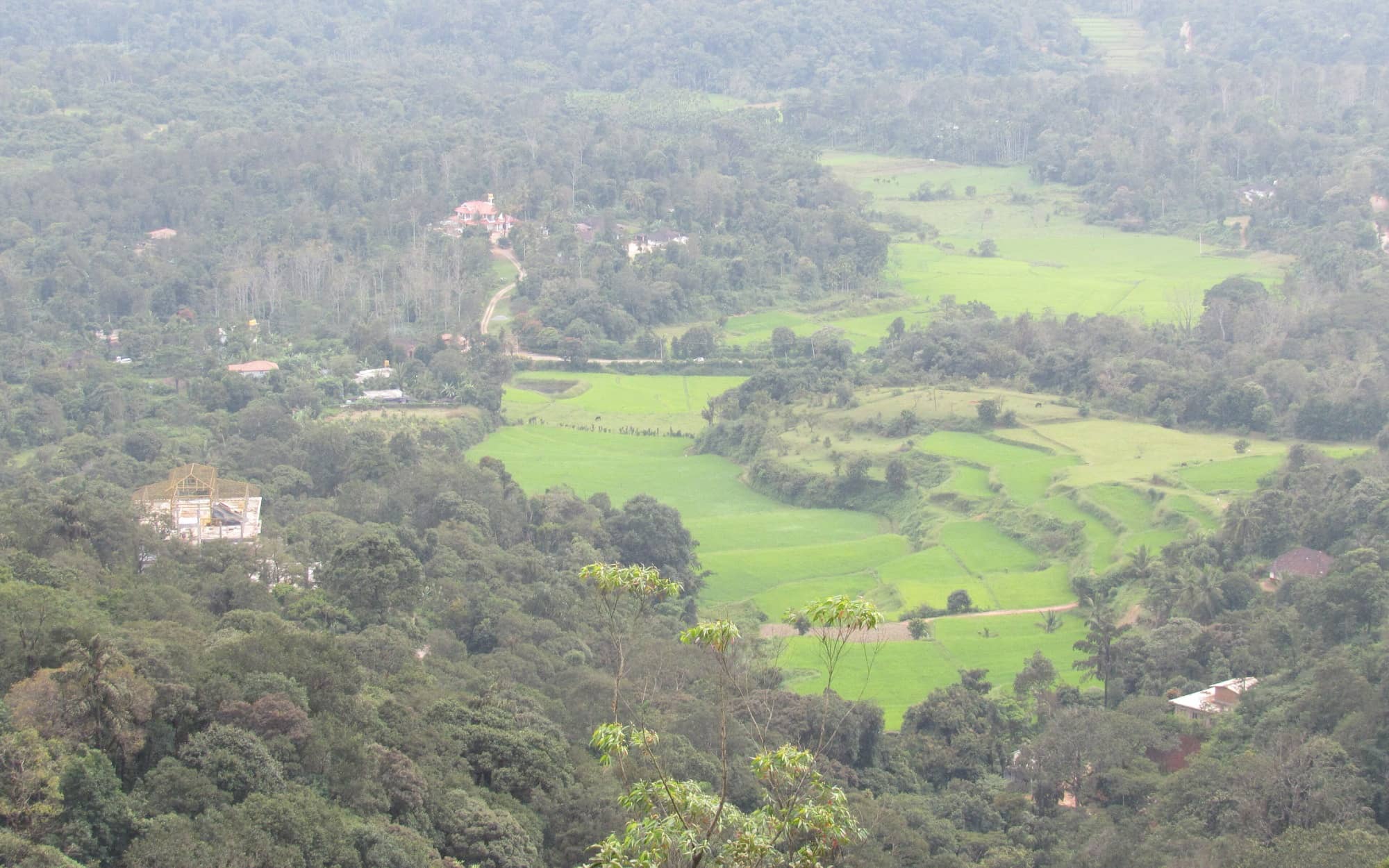
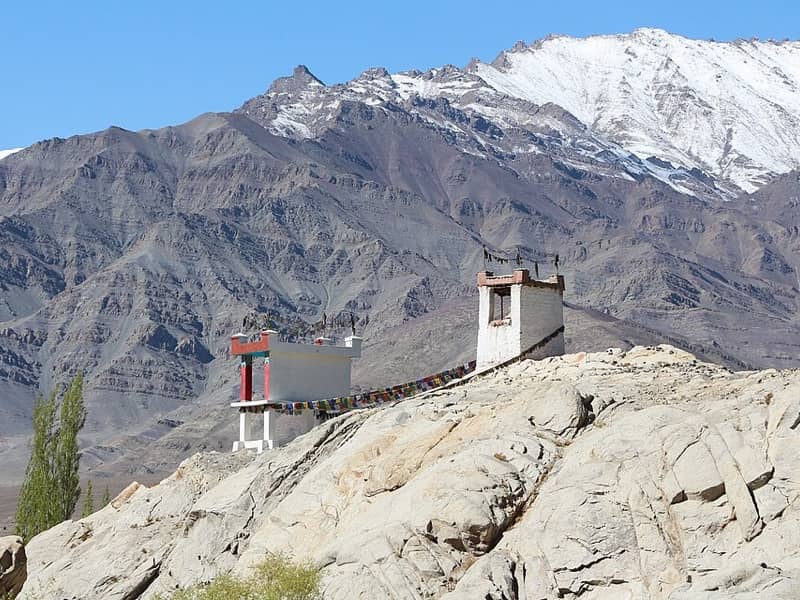
Photographs of Coorg by their creators — photo credits.
Karthik Shenoy
We were at the river by half seven and had the elephants and their handlers almost to ourselves for an hour. Abbey Falls in January is a trickle, which the team told us in advance rather than pretending otherwise. Kodava food at the bungalow — pandi curry, akki roti — was the surprise of the weekend.
Reshma D'Souza
The cupping session is the thing. Six cups, no jargon, and by the end I could reliably pick the robusta out. The estate walk in harvest week with pulping going on in the yard made the whole process make sense. Two nights was enough for a weekend and I did not feel rushed once.