 7D/6N
7D/6NVietnam North Loop
Hanoi → Lan Ha Bay → Dawn → Ninh Binh
- Stay
- Meals
- Transport
- Guide
₹64,500/ person
24–30 Oct 20267 seats left
Northern Vietnam, Vietnam
Season, route in, and what an Indian passport needs at the border. Rules change — confirm the visa position close to your departure.
October to April for the north. October and November are the pick: dry, clear and mild. December to February is cool — Hanoi can drop below 15°C and the bay is often misty, which is atmospheric rather than a problem. March and April warm up steadily. May to September is hot, wet, and typhoon season on the coast, when Ha Long cruises are cancelled at short notice.
Non-stop to Hanoi (HAN) from Delhi and Mumbai on Vietnamese carriers, around 5h from Delhi and 5h30 from Mumbai; one-stop via Bangkok, Singapore or Kuala Lumpur from everywhere else. Ha Long and the Cat Ba ferry pier are about two and a half hours from Hanoi by road on the Hai Phong expressway. Ninh Binh is around ninety minutes south.
Visa: Indian passport holders need an e-visa, applied for online through Vietnam's national immigration portal. It is issued in about three working days, costs around USD 25 for single entry, and is valid for up to 90 days. Apply directly on the government site — the lookalike agency sites charge several times the fee.
Fixed dates, live seat counts, run by our own leaders.
7D/6NHanoi → Lan Ha Bay → Dawn → Ninh Binh
24–30 Oct 20267 seats left
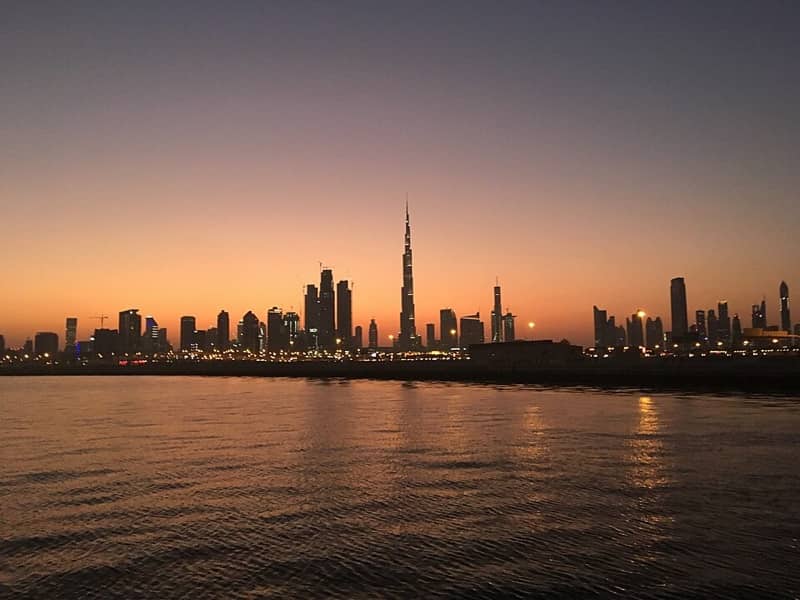
Hanoi has been a capital, on and off, since 1010, and the layers show. The Old Quarter's thirty-six streets are still organised by trade — one for tin, one for silk, one for votive paper — and are best walked early, before the motorbikes take the pavements. The Temple of Literature, founded in 1070 as Vietnam's first university, is the quietest hour in the city. Hoan Kiem Lake is where Hanoi exercises at half five in the morning, and the streets around it close to traffic at weekends.
The food is the reason many people return. Pho in the north is clearer and less sweet than the southern version; bun cha is a Hanoi dish and is eaten at lunch, not dinner; and ca phe trung, the egg coffee invented here during a milk shortage in the 1940s, is better than it sounds. Almost none of the best of it is served in a restaurant with chairs you would call chairs.
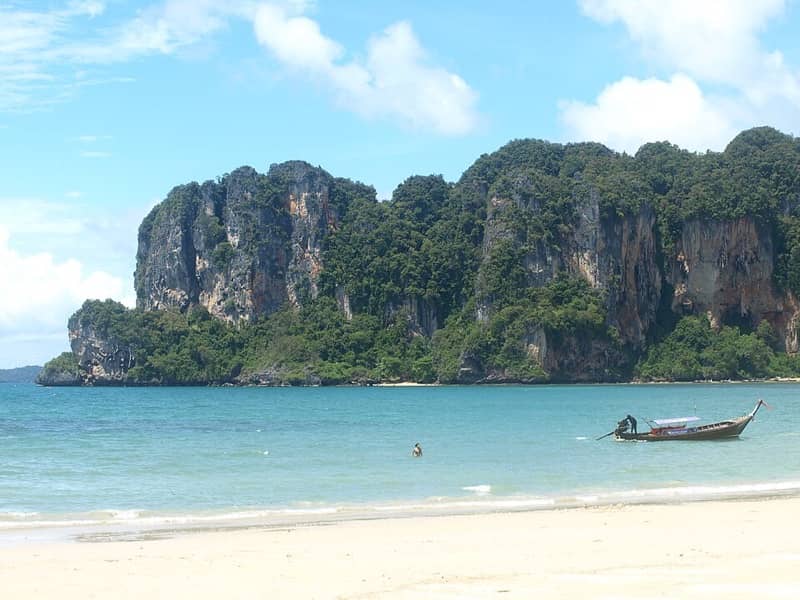
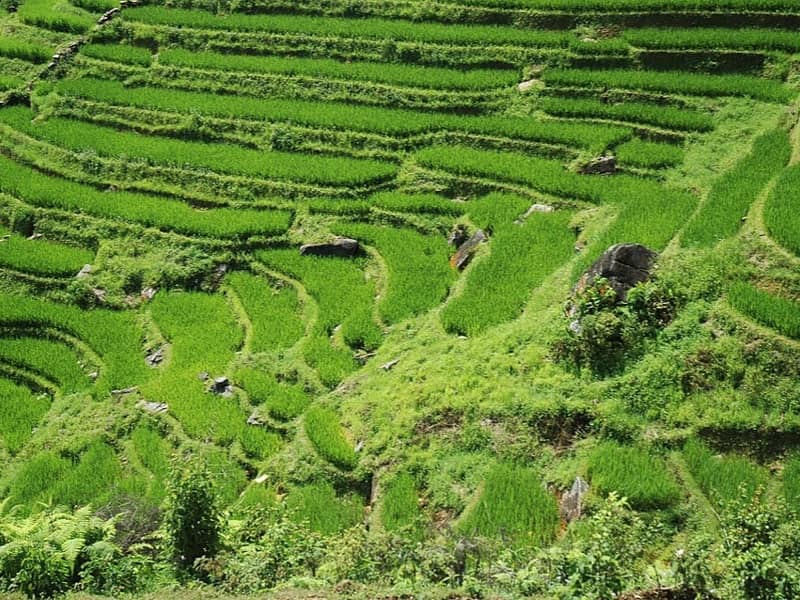
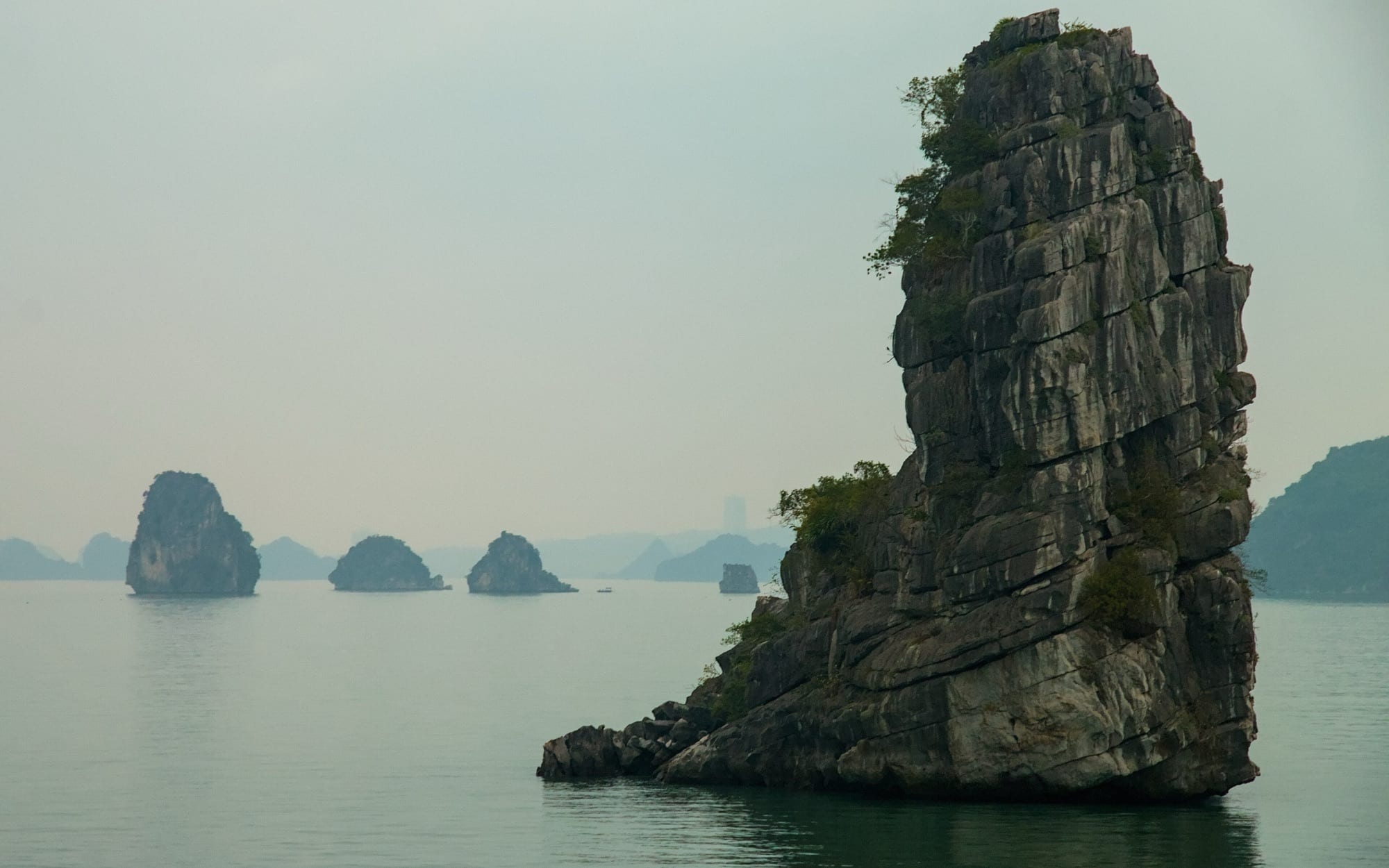
Ha Long Bay, a UNESCO World Heritage Site since 1994, is about 1,600 limestone karst islands over 1,550 sq km. The bay proper is busy; the adjoining Lan Ha Bay off Cat Ba island carries a fraction of the boat traffic for near-identical scenery, and is where we run the overnight junk. Inland, Ninh Binh — the Trang An landscape complex, also UNESCO-listed — is the same karst country rising out of rice paddy instead of sea, rowed rather than sailed.

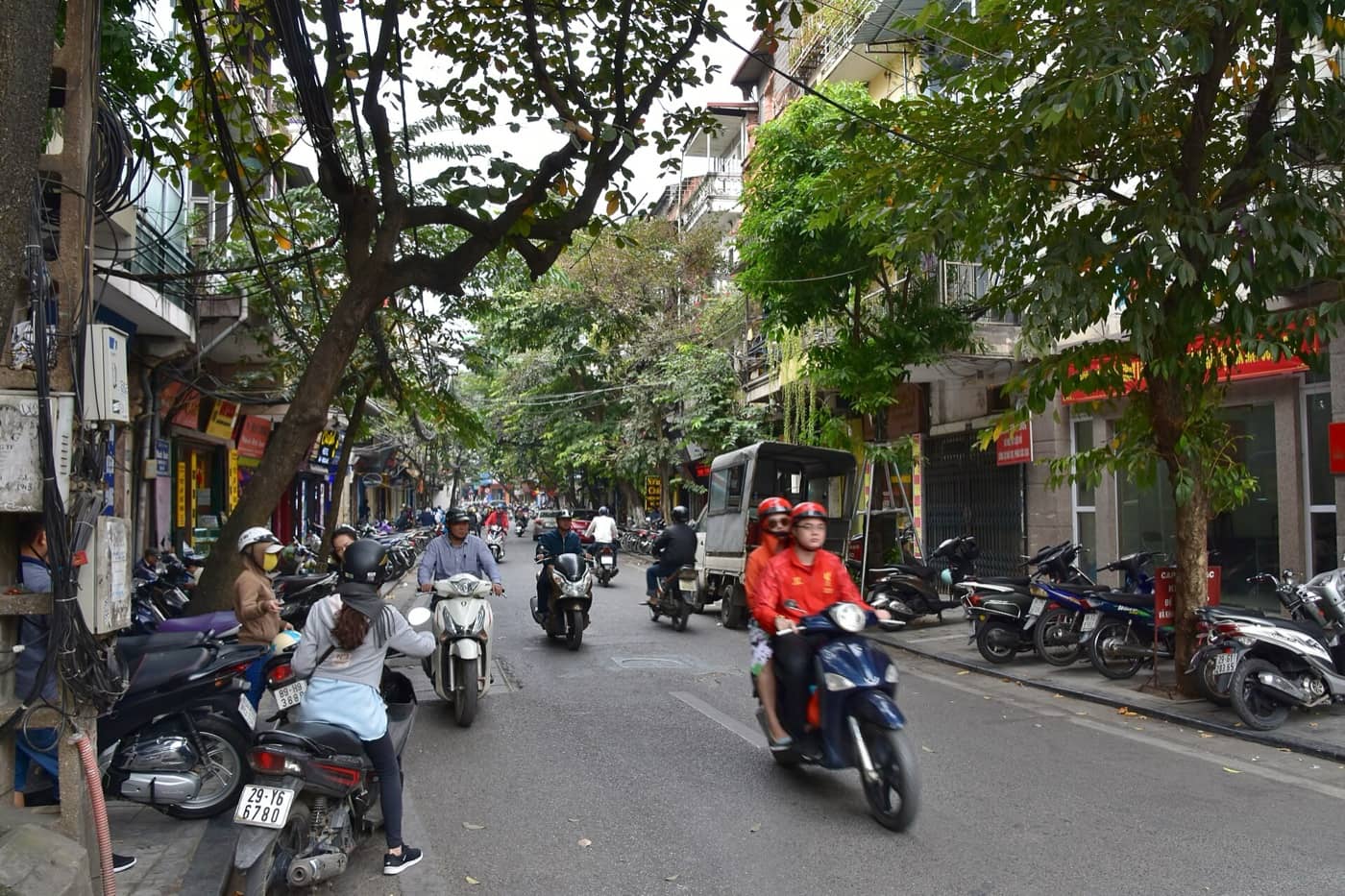
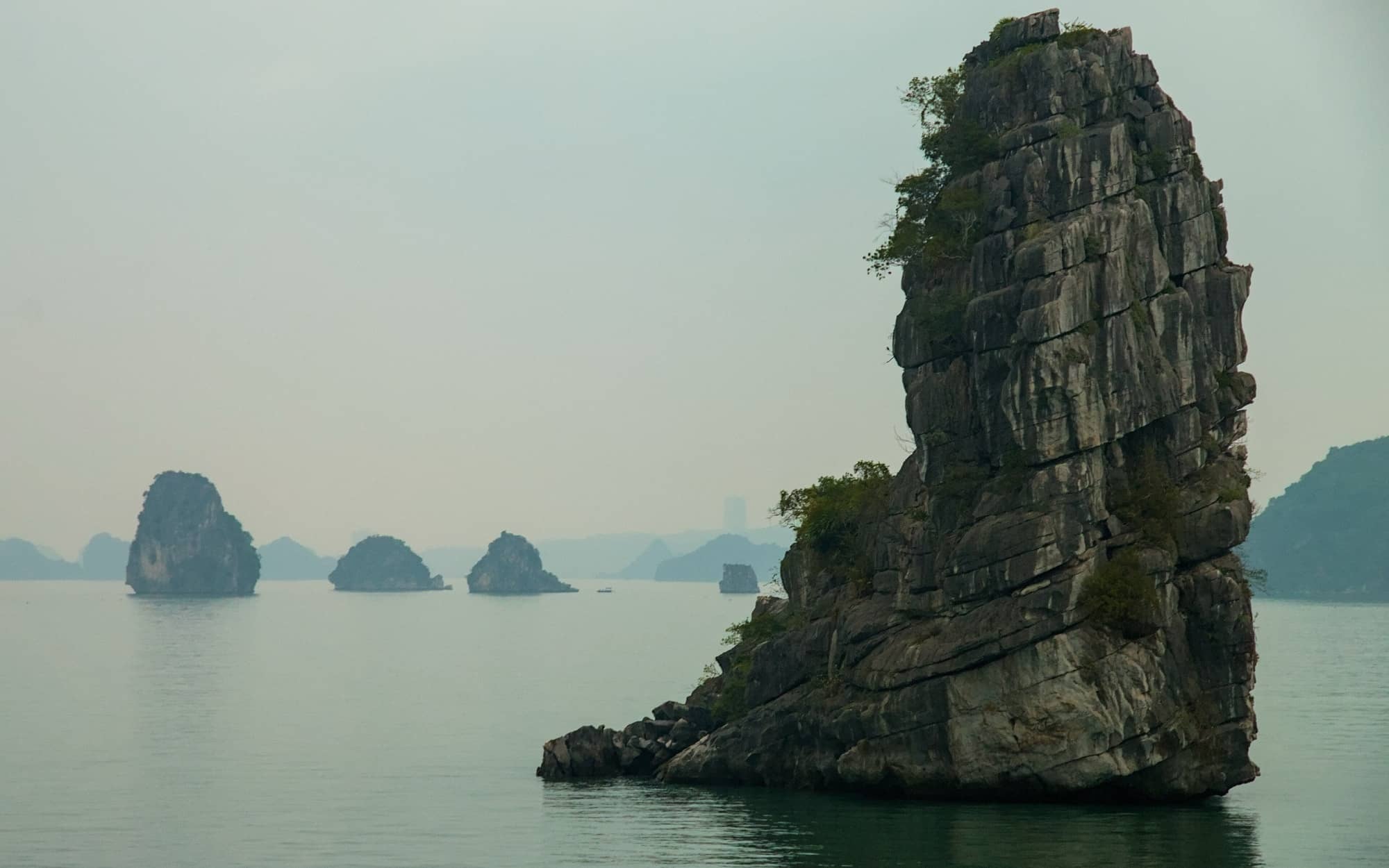
Photographs of Hanoi & Ha Long Bay by their creators — photo credits.
Sarthak Rane
I nearly asked to swap the Ninh Binh half for another Hanoi night and I am very glad I did not. Two hours being rowed through nine flooded caves under the karst, and then the Mua Cave steps for the view over the whole valley. The e-visa link they sent was the actual government one, which saved us about three thousand rupees each over the agency sites.
Kritika Sehgal
Our junk anchored in an inlet with two other boats in sight. Friends who did the standard Ha Long cruise the same week described a car park. Kayaking out at six before the day boats arrived is the memory I kept. The Hanoi food walk on the second morning was worth the early alarm.