 6D/5N
6D/5NBali Island Escape
Denpasar → Terraces → Ubud → Nusa Penida
- Stay
- Meals
- Transport
- Guide
₹71,500/ person
19–24 Dec 20267 seats left
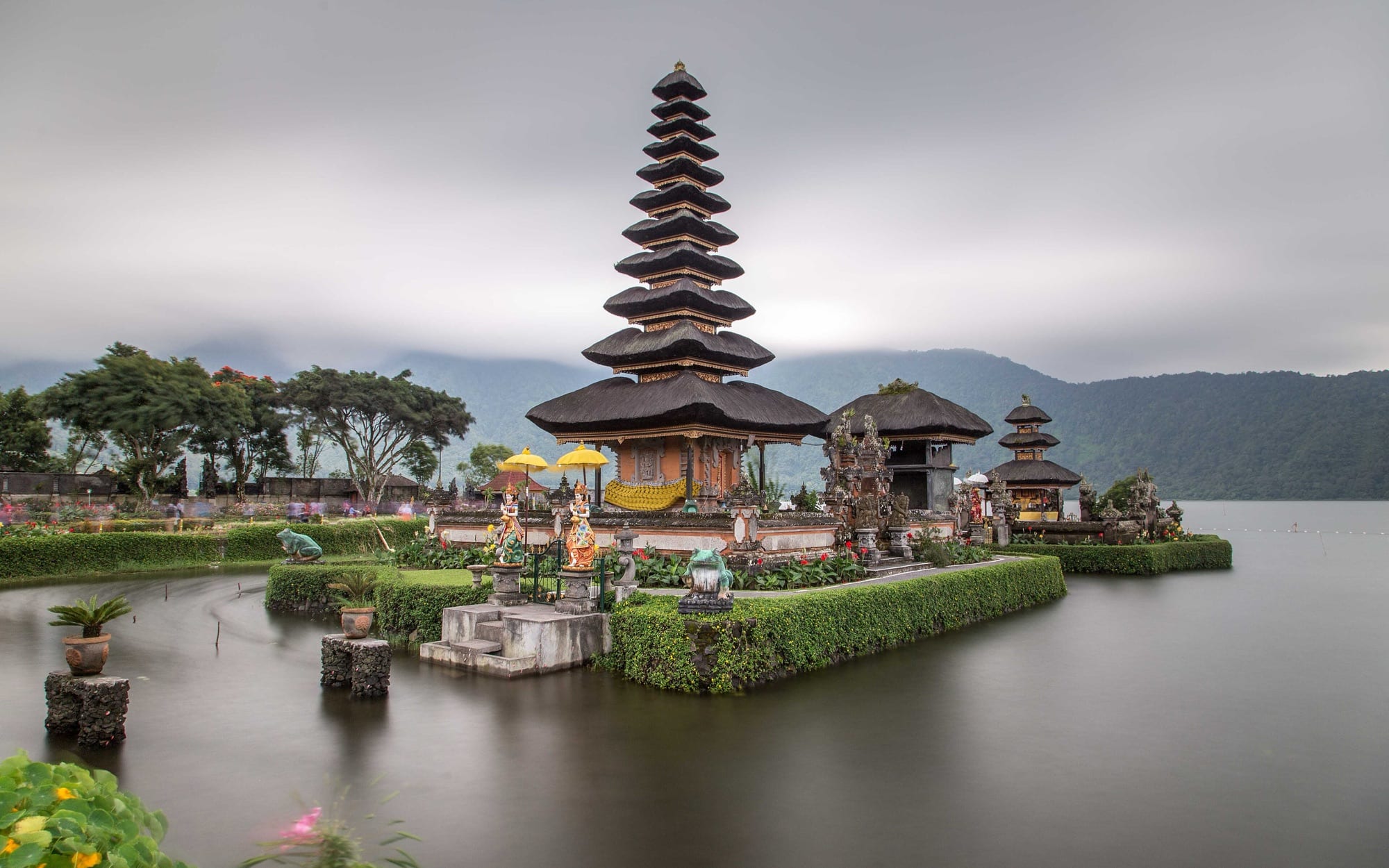
Bali, Indonesia
Season, route in, and what an Indian passport needs at the border. Rules change — confirm the visa position close to your departure.
April to October is the dry season and the reliable window; June to September is the driest and busiest. December and January are wet — short violent afternoon downpours rather than all-day rain — but the Christmas and New Year fortnight is a genuine peak and prices reflect it. Nyepi, the Balinese day of silence in March, closes the entire island including the airport for twenty-four hours.
Denpasar (DPS) is most reliably reached one-stop from India via Singapore, Kuala Lumpur or Bangkok — nine to twelve hours total including the connection. Non-stop services from Delhi and Mumbai have been launched and withdrawn more than once, so check current schedules rather than assuming. From Denpasar airport it is roughly forty minutes to Seminyak and ninety minutes to Ubud, longer in the evening.
Visa: Indian passport holders get a visa on arrival (e-VOA, payable online in advance or at the airport) valid for 30 days and extendable once for a further 30. Six months' passport validity required.
Fixed dates, live seat counts, run by our own leaders.
6D/5NDenpasar → Terraces → Ubud → Nusa Penida
19–24 Dec 20267 seats left
Bali is one island in an archipelago of some seventeen thousand, and it is culturally unlike the rest of them: Balinese Hinduism organises the calendar, the architecture and the daily canang sari offerings you will step around on every pavement. That is the reason to come inland as well as to the coast.
The island divides cleanly by temperament. The south — Seminyak, Canggu, Uluwatu — is developed, well-served and traffic-bound. Ubud, twenty-five kilometres inland, sits among craft villages and the terraced rice fields fed by the subak irrigation system, which UNESCO listed in 2012 and which is a thousand-year-old piece of cooperative engineering rather than scenery. East and north — Sidemen, Amed, Munduk — are quieter and where the volcano country begins under Mount Agung, just over 3,000 m.
The set pieces hold up. Uluwatu stands on a cliff about seventy metres above the Indian Ocean and takes the kecak performance at sunset; Tanah Lot sits on a rock that becomes an island at high tide; Tirta Empul at Tampaksiring is a working purification temple where visitors bathe under the same spouts as Balinese families. Nusa Penida, forty minutes by fast boat off the south-east coast, has the cliff coves that fill the photographs — and a road network that does not match the photographs.
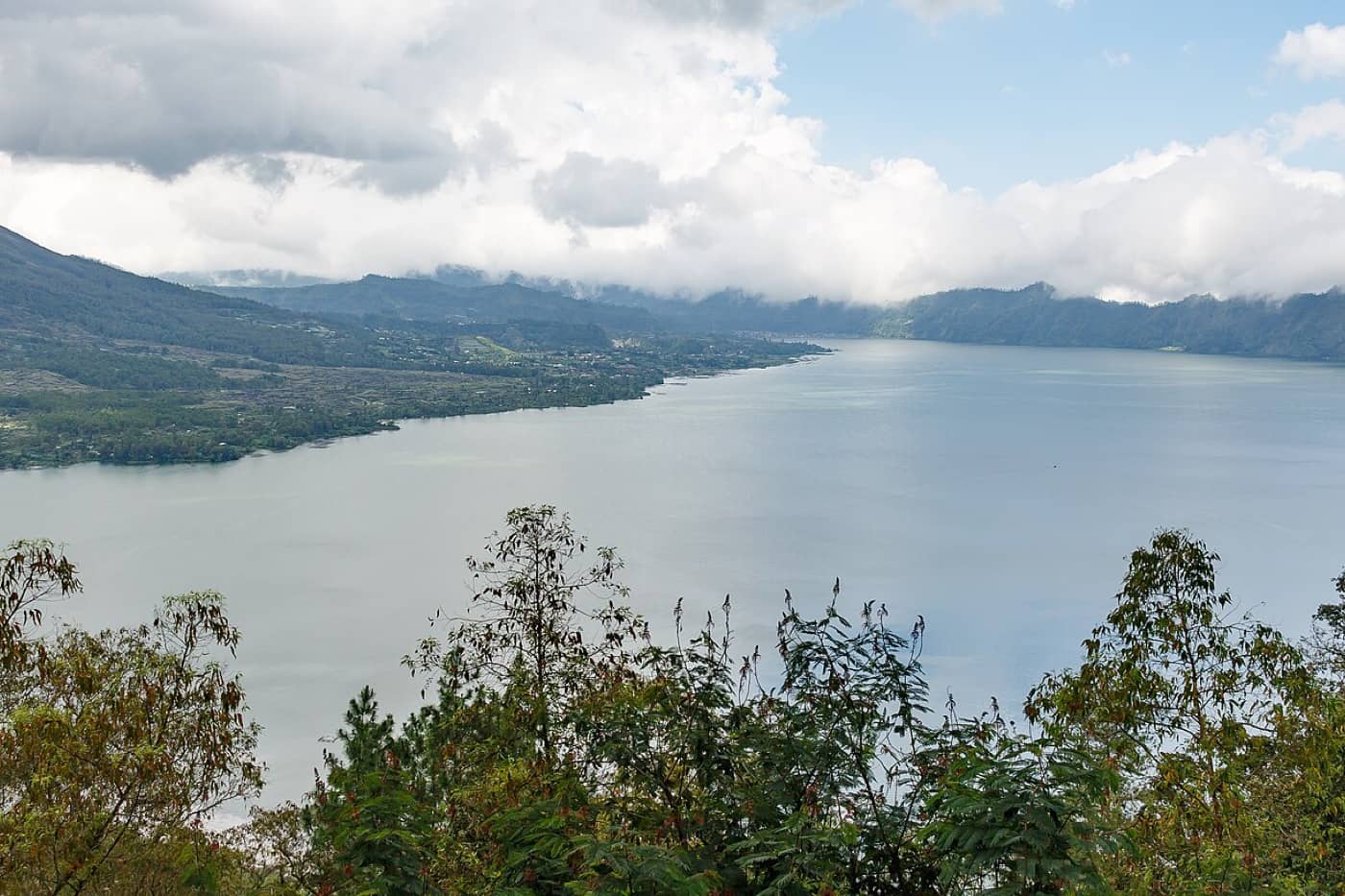
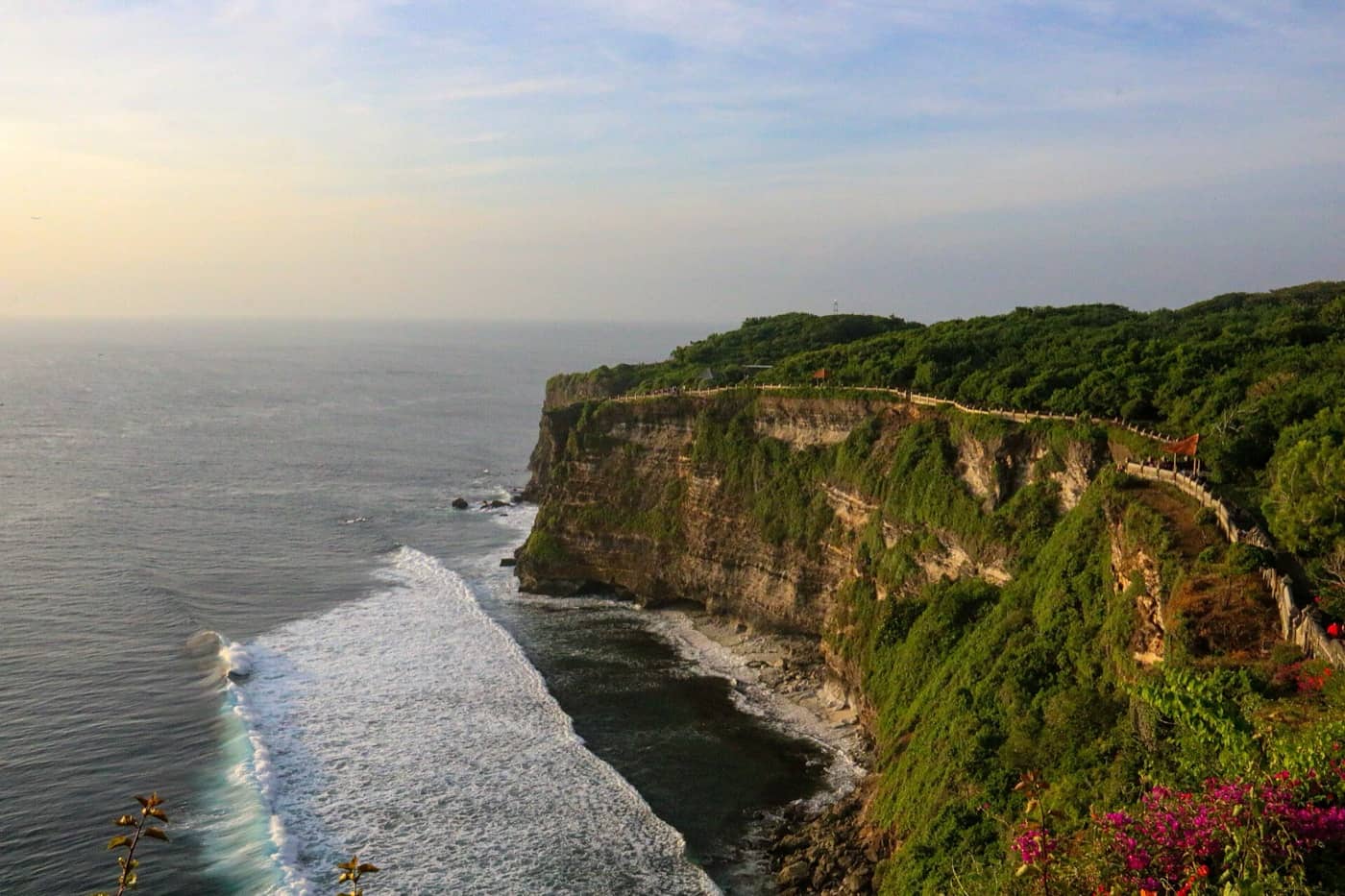
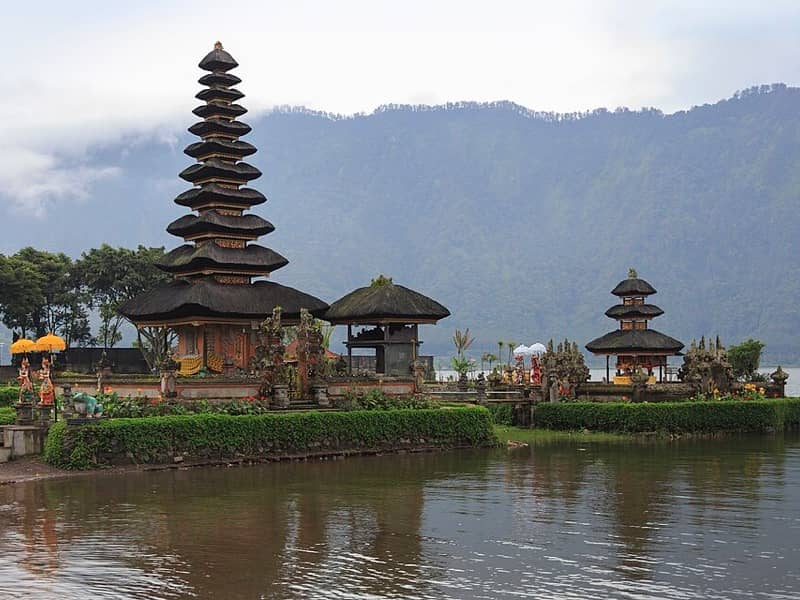
Photographs of Bali by their creators — photo credits.
Rohan Mistry
The briefing on the first night told us Ubud to Uluwatu would take two hours and not the forty minutes Google claims, and it did. Everything else ran well — the cooking session at the family compound was a genuine highlight and not the staged version I expected. Four stars only because the Bukit hotel was further from a decent dinner than we would have liked.
Sneha Vaidya
Every Bali package I was quoted put us in Seminyak for five nights and drove us out for day trips. Three nights inland changed the whole thing — walking the Jatiluwih terraces with someone who could explain how the water is actually shared between the farms was the best hour of the week. Nusa Penida is a long day and worth it.