Maldives
Malé & the central atolls, Maldives
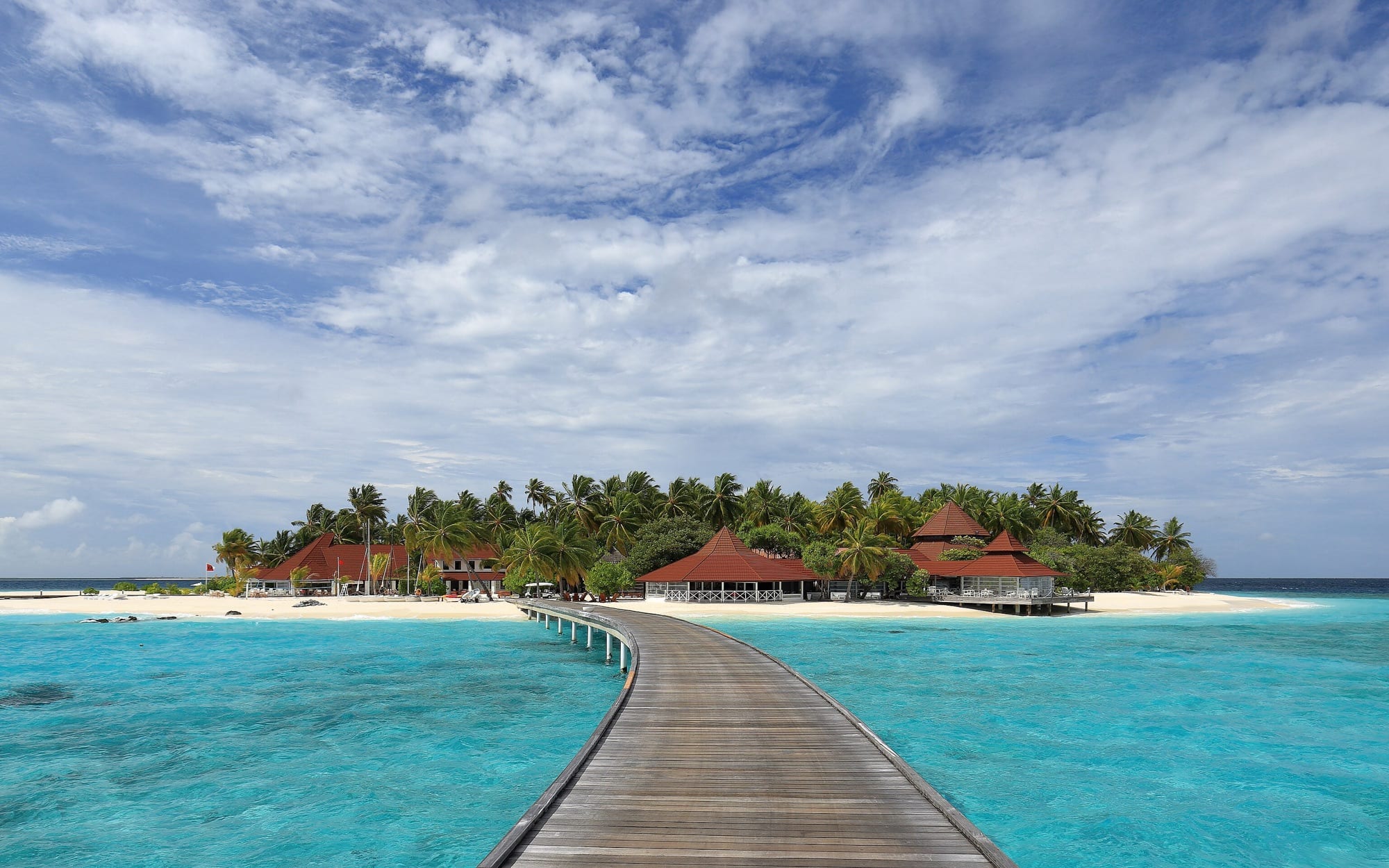
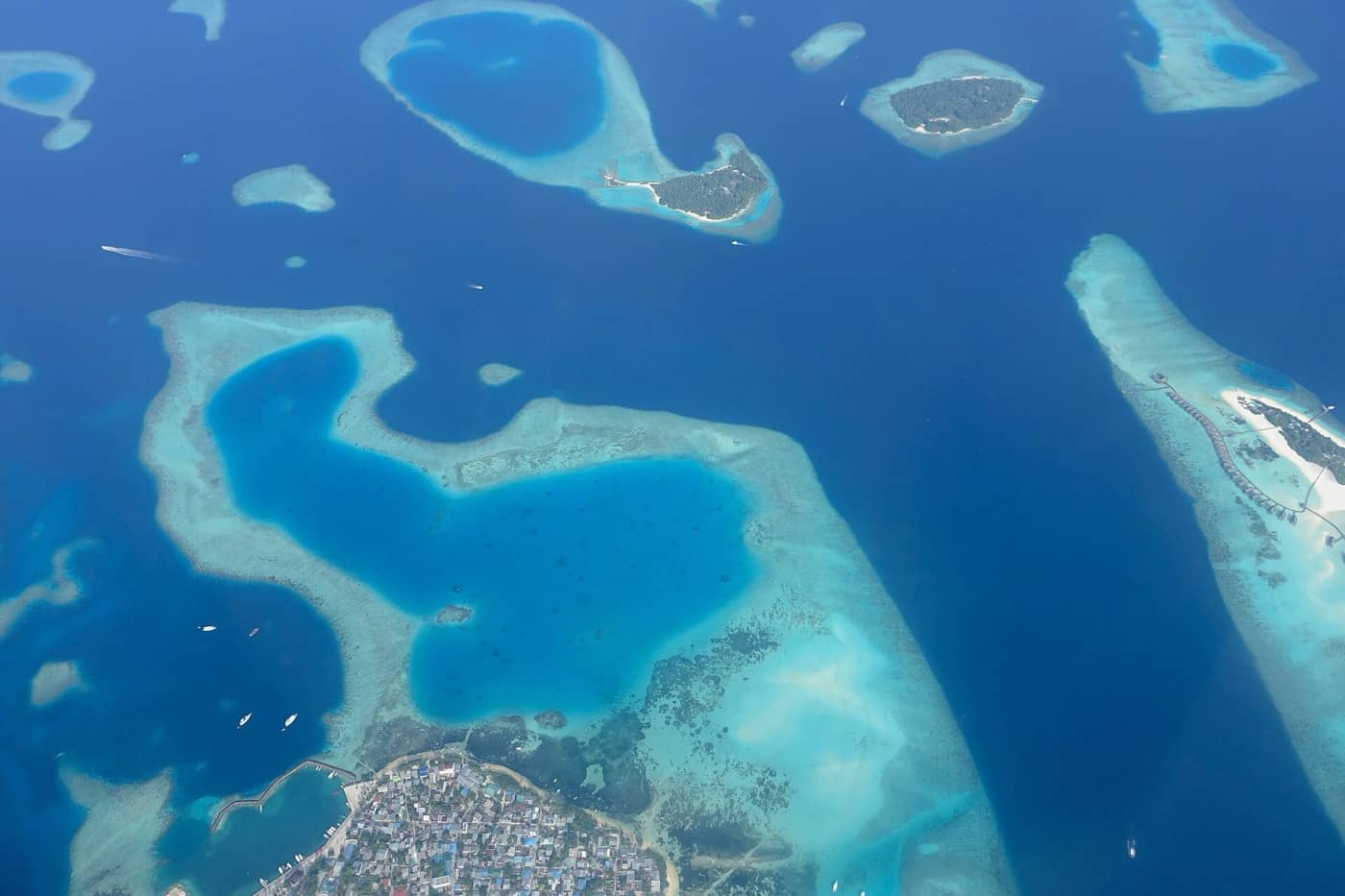
Around 1,190 coral islands strung across 26 atolls, almost none of them more than a metre and a half above the sea — the shortest flight from India to water like this.
- Visa on arrival
- Beaches
- Trips here
- On request
- From
- On request
- Next departure
- On request
- Country
- Maldives
Practical facts for Maldives
Season, route in, and what an Indian passport needs at the border. Rules change — confirm the visa position close to your departure.
Best time to go
November to April is the north-east monsoon: dry, calm and the best underwater visibility. May to October is the south-west monsoon — wetter, windier, cheaper, and the season for the Hanifaru Bay manta gatherings. Cyclones do not form at this latitude, so bad weather here means squalls, not danger.
Getting there
Malé (MLE) is non-stop from Bengaluru (about 2h30), Kochi (2h15), Chennai (2h45), Mumbai (3h15), Hyderabad and Delhi (4h15). Onward transfers are booked with the island, not separately: seaplanes operate in daylight only, so an evening arrival into Malé usually means a night in Hulhumalé before flying out to a far atoll the next morning.
Good to know
Visa on arrivalVisa: a free 30-day visa on arrival is granted to all nationalities, Indian passport holders included. You need a passport valid six months beyond arrival, a confirmed booking and a completed Traveller Declaration submitted online within 96 hours of travel.
- Currency:
- Maldivian rufiyaa (MVR), but US dollars are accepted everywhere and resorts price in dollars. Cards work at resorts; local islands are largely cash.
- Rough daily budget:
- on a local island, ₹4,000–7,000 per person all-in including a guesthouse. On a resort island, the room rate is the budget and everything on top of it — transfers, meal plans, excursions — is priced in dollars.
No fixed dates in Maldives yet
We run Maldives privately, on your dates, until the fixed departures are set.
Ask us for Maldives dates
We publish a departure only once the season, the stay and the guide are settled. Until then we run private versions — same leaders, your dates.
- A planner calls you back, usually the same working day.
- Tell us the month and we will say if it is the wrong one.
- You hear from us first when the fixed dates go live.
Talk it through first
A planner calls you back, no obligation.
What to know about Maldives
The Maldives is the flattest country on earth: average ground level is roughly 1.5 m above sea level and the highest natural point is under 2.5 m. What that means in practice is that every island is a thin ring of sand around a shallow lagoon, and the reef is a swim from the beach rather than a boat ride away.
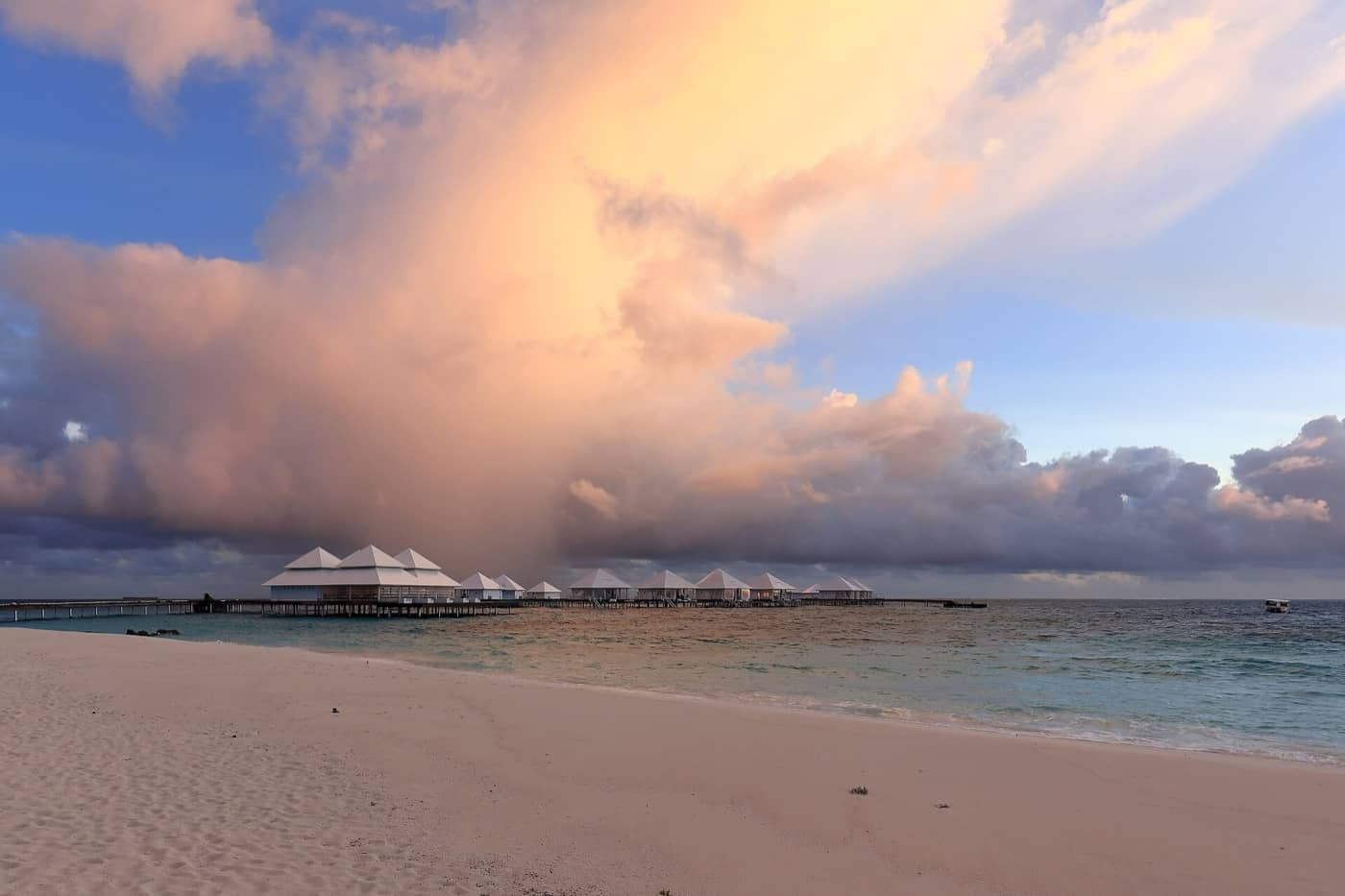
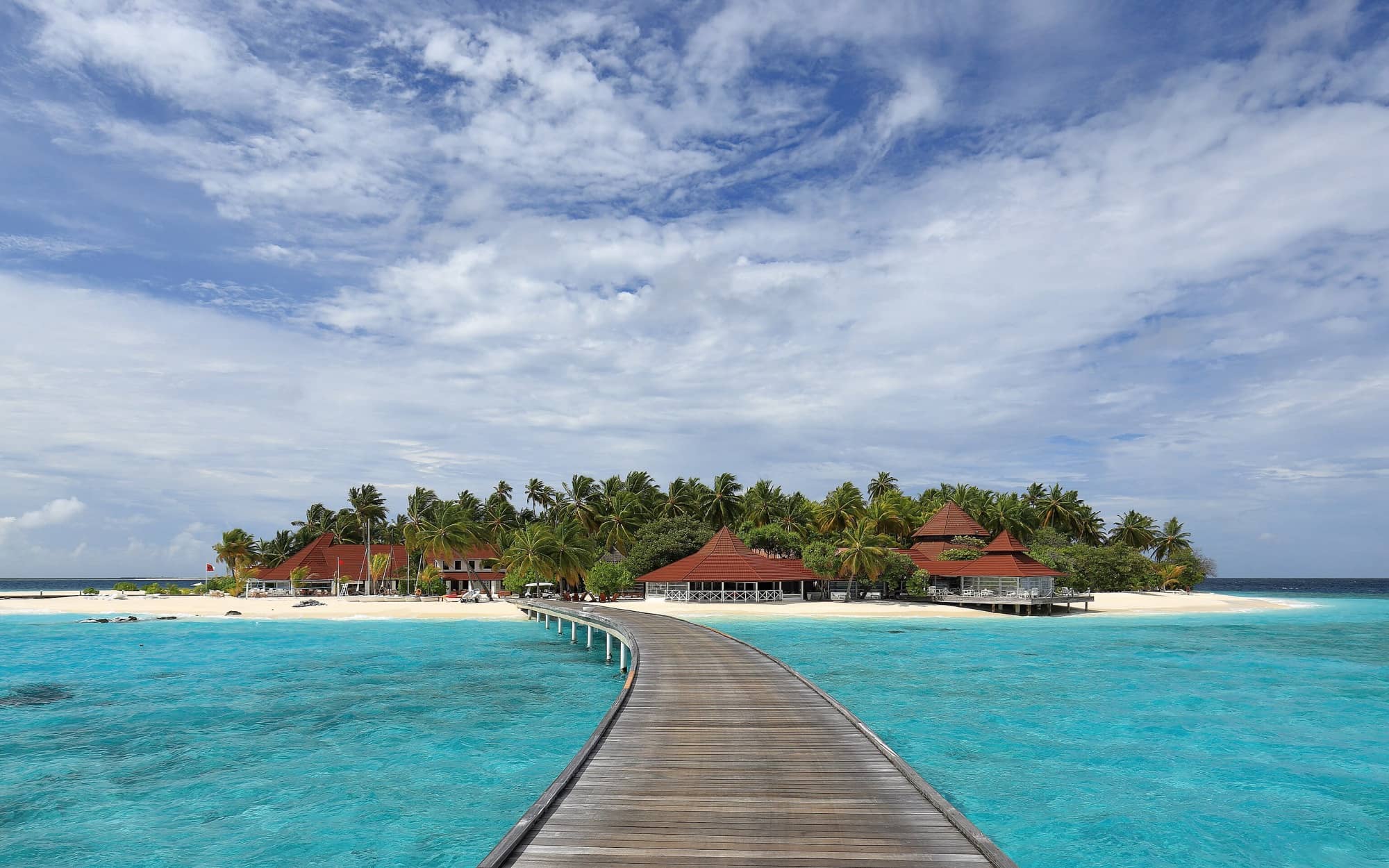
There are two entirely different ways to travel here and they cost differently by an order of magnitude. Resort islands are one-island-one-hotel, reached by speedboat (20–90 minutes) or seaplane (25–45 minutes, daylight only), and are private, expensive and self-contained. Local islands — Maafushi, Thulusdhoo, Dhigurah, Fulidhoo — are inhabited Maldivian villages with guesthouses, reached by public ferry or shared speedboat at a fraction of the price, where local law applies on the beach and bikinis are confined to a designated stretch.
The water is the point either way. Visibility is typically 20–30 m, the water sits around 28°C all year, and the central and southern atolls hold reliable manta and whale-shark aggregations — South Ari atoll for whale sharks, Hanifaru Bay in Baa atoll (a UNESCO biosphere reserve) for manta feeding events between June and November.
We do not currently run a fixed-departure Maldives group trip — the economics of this destination work better one-off than in a group. Itineraries are built on request: tell the desk your dates, your budget band and whether you want a resort island or a guesthouse week, and we will price it properly rather than sell you a package that does not fit.
Photographs of Maldives by their creators — photo credits.