Mauritius
Port Louis & the west coast, Mauritius
- Trips here
- On request
- From
- On request
- Next departure
- On request
- Country
- Mauritius
Practical facts for Mauritius
Season, route in, and what an Indian passport needs at the border. Rules change — confirm the visa position close to your departure.
Best time to go
May to December is the dry season and the pick — cooler, less humid, and outside the cyclone window. January to March is hot, wet and the cyclone season; the risk is real but usually amounts to a few disrupted days rather than danger. September to December are the best months overall for both weather and water clarity. Remember the southern hemisphere: July and August are Mauritian winter, pleasant at 20–25°C.
Getting there
Sir Seewoosagur Ramgoolam airport (MRU) is non-stop from Mumbai in about 6h15 and seasonally from Delhi; otherwise one-stop via Dubai or Colombo. The airport is in the south-east, forty-five minutes from the west-coast beaches and about an hour from the north. Mauritius is 1h30 behind India.
Good to know
Visa-freeVisa: Indian passport holders do not need a visa in advance. Entry is granted on arrival for tourism for up to 90 days, subject to a passport valid six months beyond arrival, a return ticket and confirmed accommodation.
- Currency:
- Mauritian rupee (MUR) — not interchangeable with the Indian rupee. Cards are accepted almost everywhere.
- Rough daily budget:
- ₹3,000–5,000 per person for meals, entries and local transport outside a package. Self-drive car hire is straightforward, roads are good and driving is on the left as in India.
No fixed dates in Mauritius yet
We run Mauritius privately, on your dates, until the fixed departures are set.
Ask us for Mauritius dates
We publish a departure only once the season, the stay and the guide are settled. Until then we run private versions — same leaders, your dates.
- A planner calls you back, usually the same working day.
- Tell us the month and we will say if it is the wrong one.
- You hear from us first when the fixed dates go live.
Talk it through first
A planner calls you back, no obligation.
What to know about Mauritius
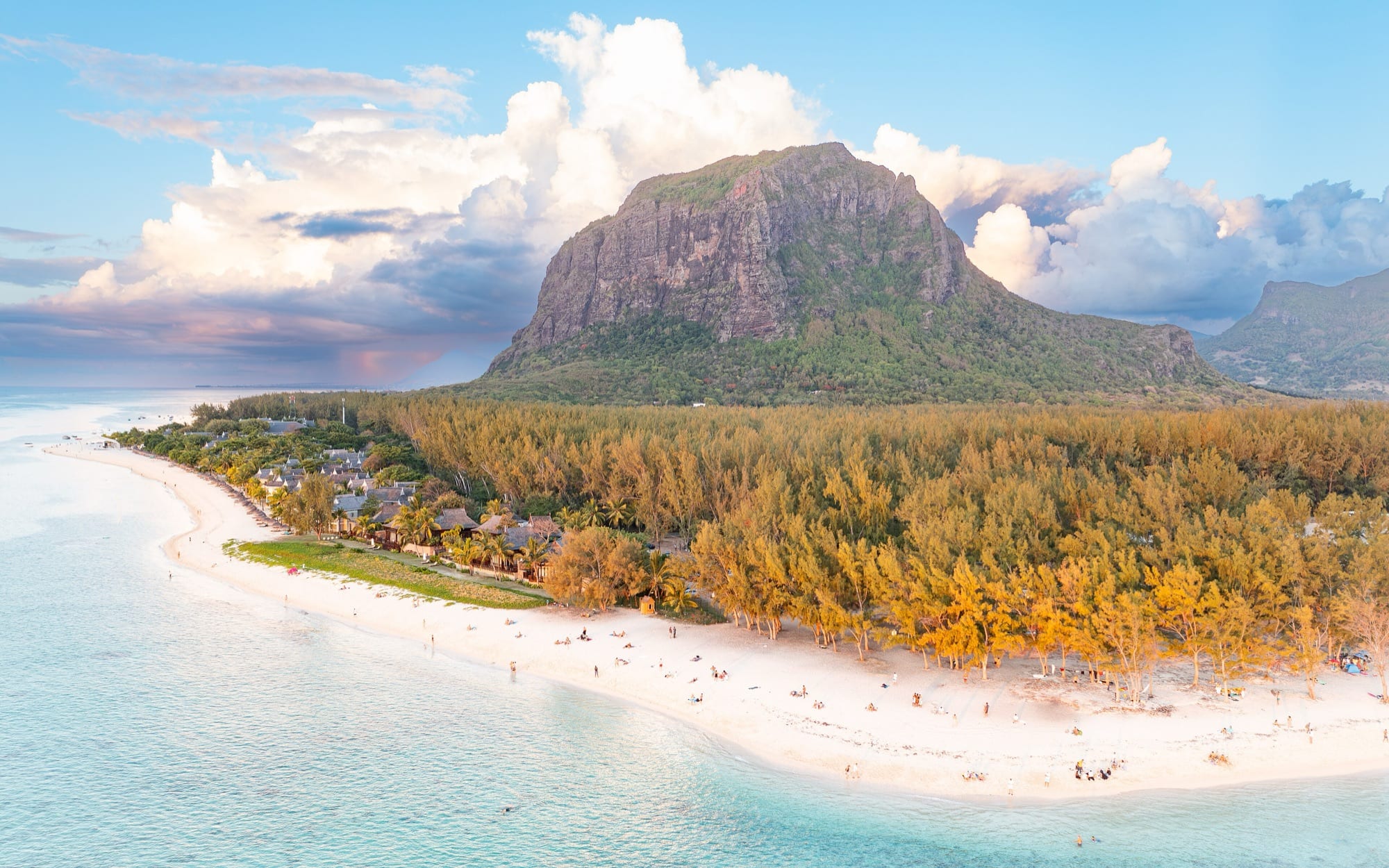
Mauritius is about 2,040 sq km of volcanic rock in the south-west Indian Ocean, and one geological accident defines the holiday: a near-continuous coral reef encircles the island, so the water inside it is shallow, calm and warm almost everywhere. That is why the swimming here is easier than on most tropical coasts.
The Indian connection is not incidental. Indentured labourers began arriving from Bihar, Uttar Pradesh and Bengal in 1834, and the immigration depot at Aapravasi Ghat in Port Louis — where roughly half a million of them landed — is a UNESCO World Heritage Site for exactly that reason. Ganga Talao, a crater lake in the highlands, is one of the most important Hindu pilgrimage sites outside India and draws several hundred thousand people on foot at Maha Shivaratri. Bhojpuri is still spoken; Creole is the common tongue.
The rest is landscape. Le Morne Brabant, the basalt monolith on the south-west tip, is separately UNESCO-listed as a refuge of escaped slaves; Chamarel has the seven-coloured earths and a 100 m waterfall; Black River Gorges National Park protects the last of the native forest and the pink pigeon and Mauritius kestrel that were brought back from single-digit populations. Beaches run from the developed north at Trou aux Biches and Grand Baie to the quieter south-east around Blue Bay.
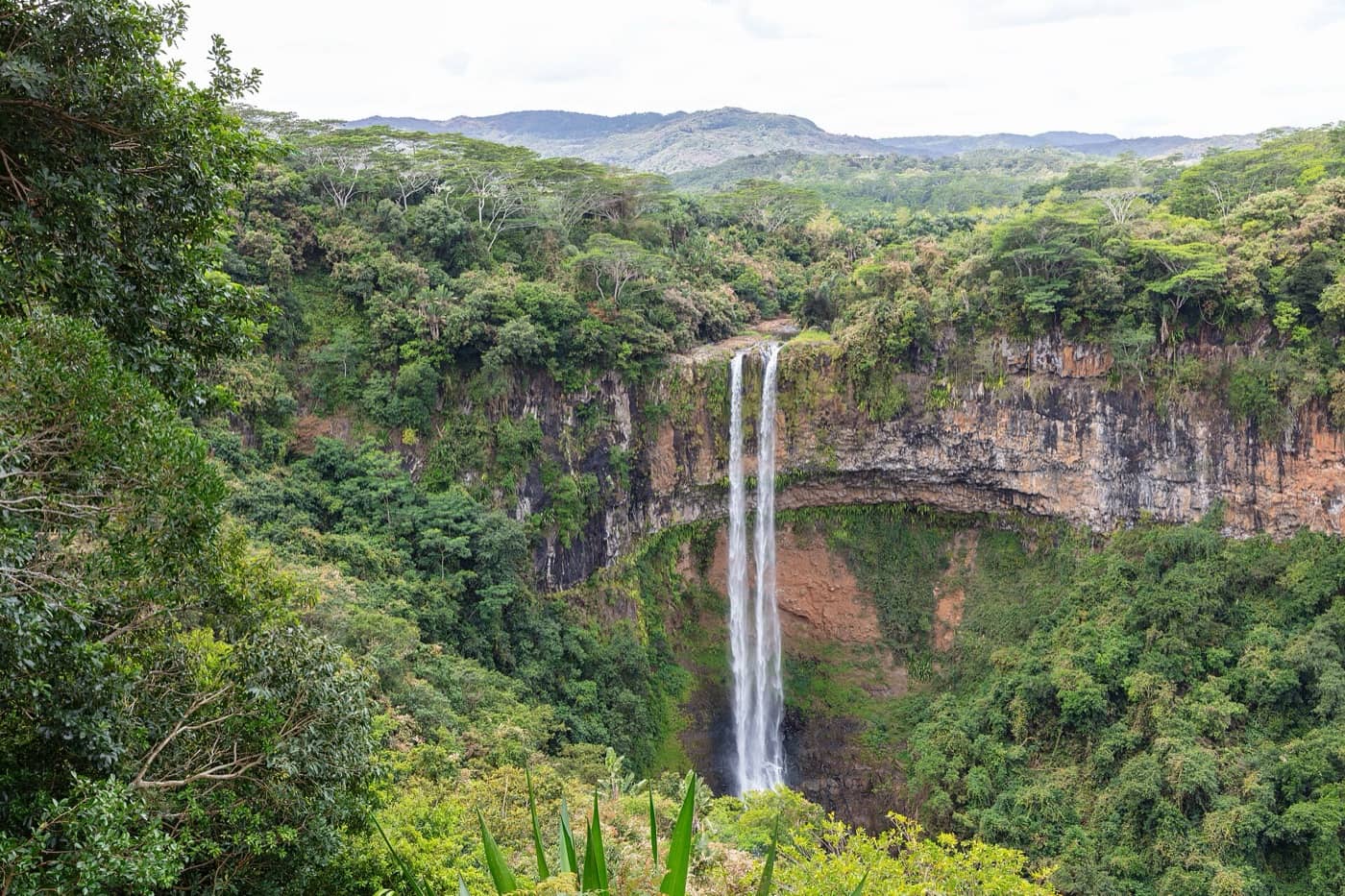
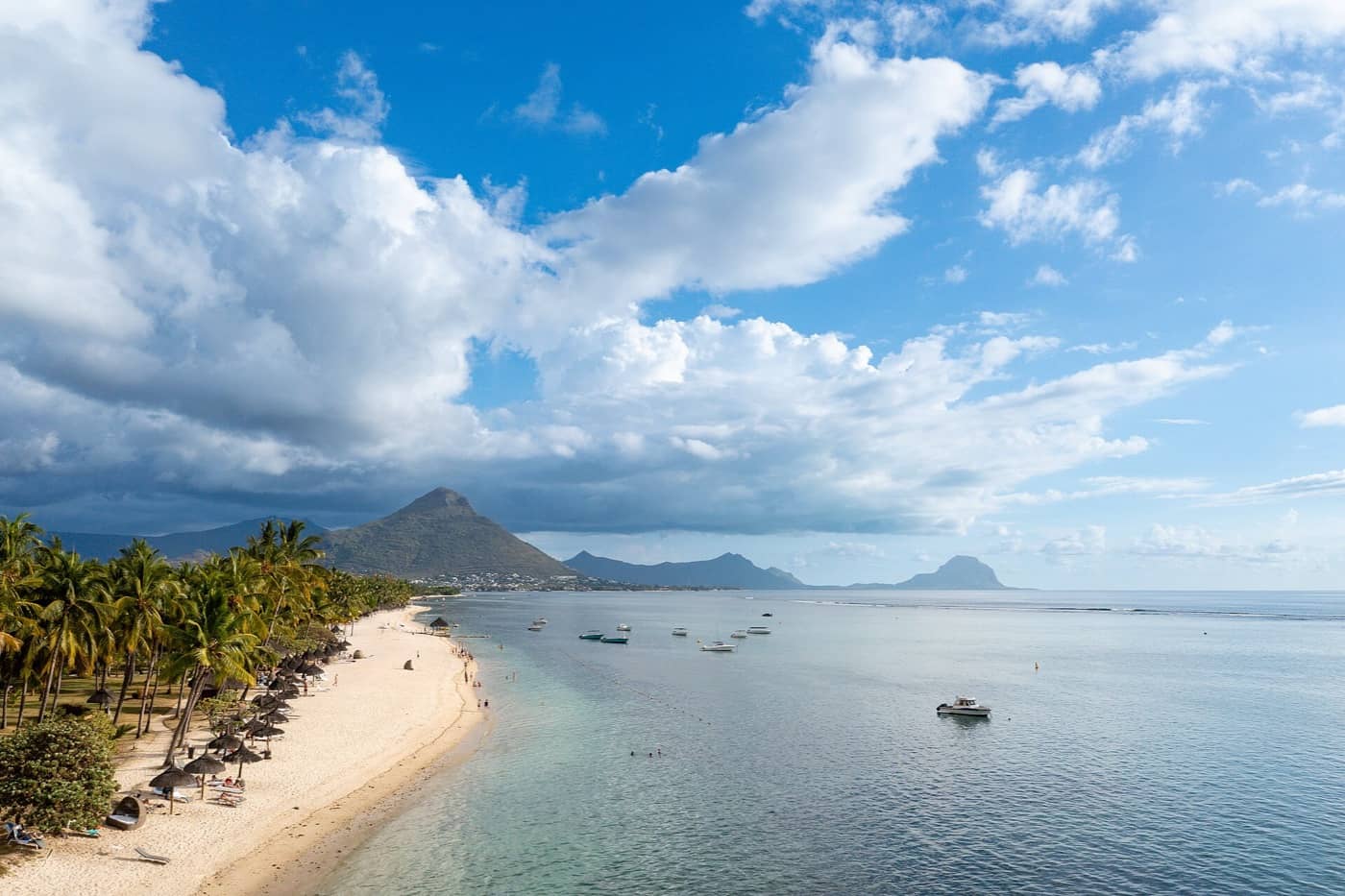
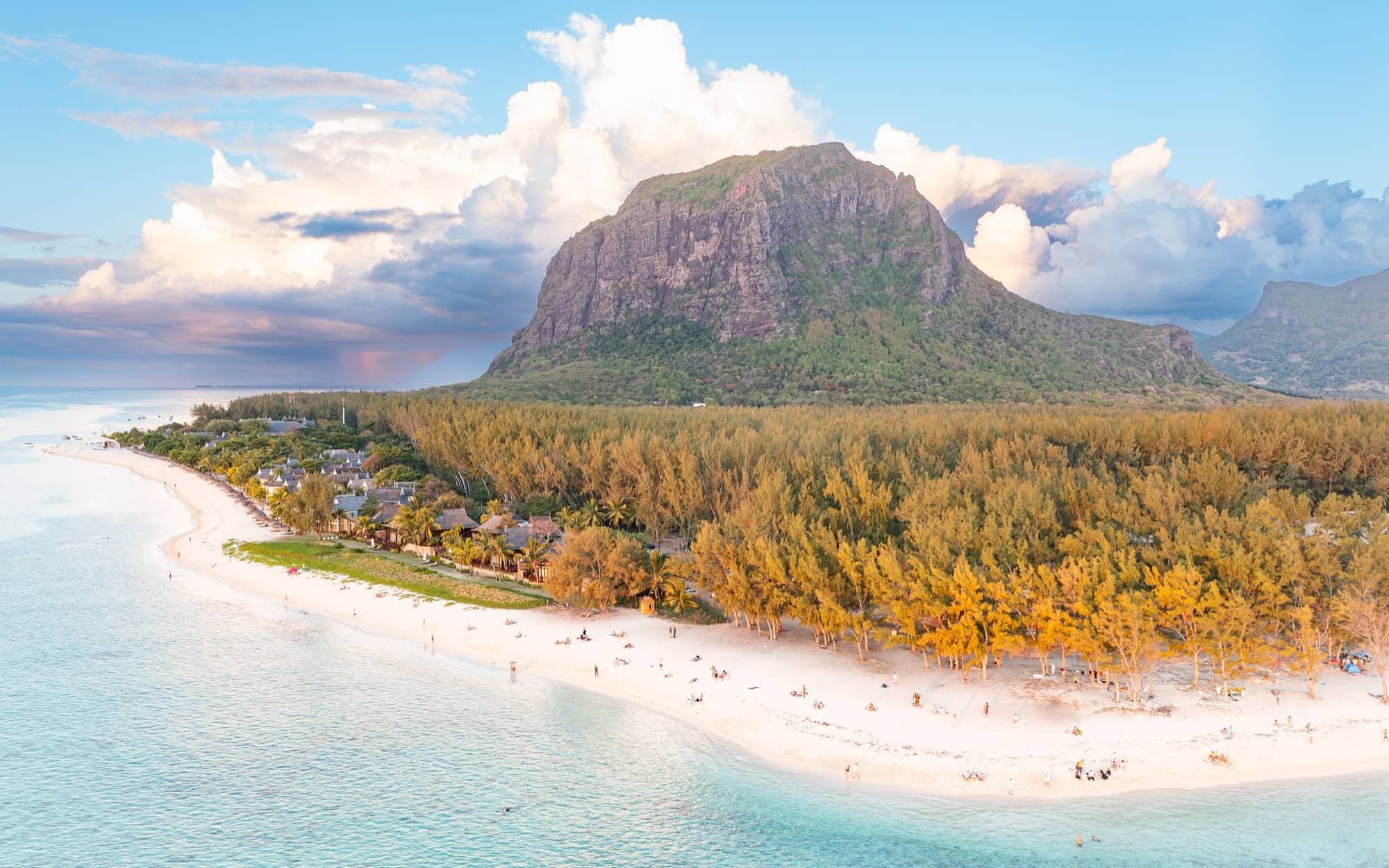
Photographs of Mauritius by their creators — photo credits.