29 Aug 2026 · Himgiri trips desk
Choosing your first high-altitude trip
Above about 2,500 m the trip stops being only about fitness. What to expect, how acclimatisation is built into an itinerary, and which routes are a sensible first.
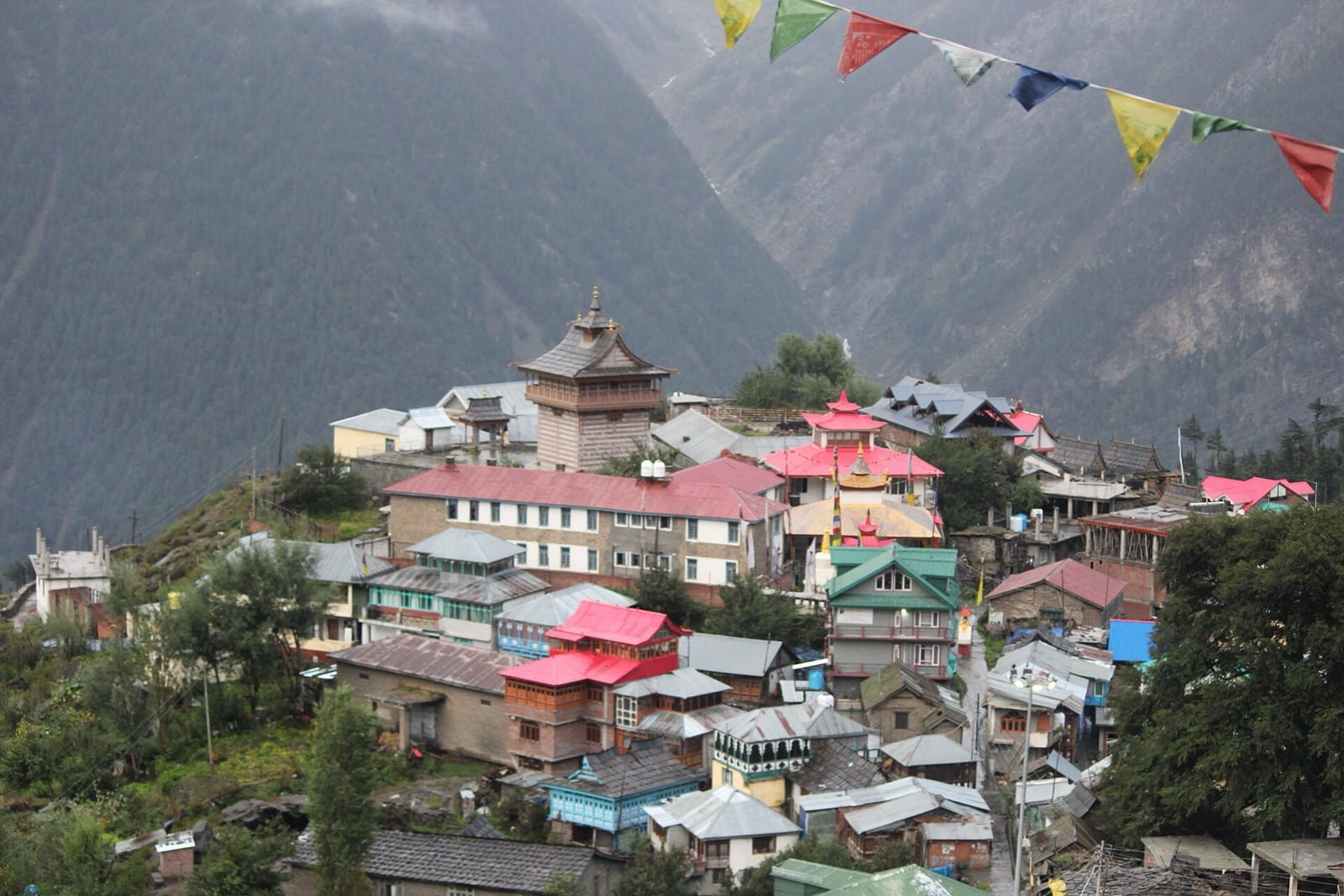
The most common mistake we see on a first high-altitude trip is not a lack of fitness. It is a strong person treating altitude as something fitness will handle, and then being surprised on the second night.
What altitude does. Above roughly 2,500 m there is measurably less oxygen in each breath, and your body responds by breathing faster, raising your heart rate and, over days, making more red blood cells. That last part takes time and cannot be hurried. Mild acute mountain sickness — headache, poor appetite, broken sleep, feeling flat — is common, usually appears six to twelve hours after arriving high, and usually passes if you stop going up. It is not a sign of weakness and it correlates poorly with how strong you are at sea level. Marathon runners get it. So do their grandmothers, sometimes less badly.
How an itinerary handles it. The oldest rule in the mountains is still the best one: above 3,000 m, raise the altitude you sleep at by no more than about 300 to 500 m a day, and take a rest day for roughly every 1,000 m of gain. That is why a well-built high-altitude itinerary has days on it that look like wasted time — an extra night in Leh, a short walk that gains almost nothing, an afternoon that goes up a ridge and comes back down to sleep low. Those days are the trip working. Skipping one to save a day is the single most reliable way to spoil the week.
What you can do yourself. Drink more water than you think you need and keep drinking. Eat, even when you do not feel like it — appetite drops before performance does. Go slowly on the first two days at height, especially if you flew in rather than drove. Skip alcohol until you have slept well two nights running. And tell your leader early if you have a headache; the answer at that point is usually rest and fluids, and the answer twelve hours later can be a descent.
Sensible first choices. A trip that drives to altitude rather than flying to it, or one that spends its first two nights below 3,000 m, gives your body the time the rule asks for. A route graded Moderate with an acclimatisation day in the plan is a better first high-altitude experience than a Challenging one with none. Where a trip goes genuinely high, our departures carry portable oxygen, a first aid kit and a pulse oximeter, and the leader is the person who decides whether the group goes up on a given morning.
If you are not sure which side of the line a trip sits on, the day-by-day on its page states the altitudes. Read those numbers before the price, and call the desk if they do not tell you what you need to know.
Where this goes next
More from the journal
27 Aug 2026
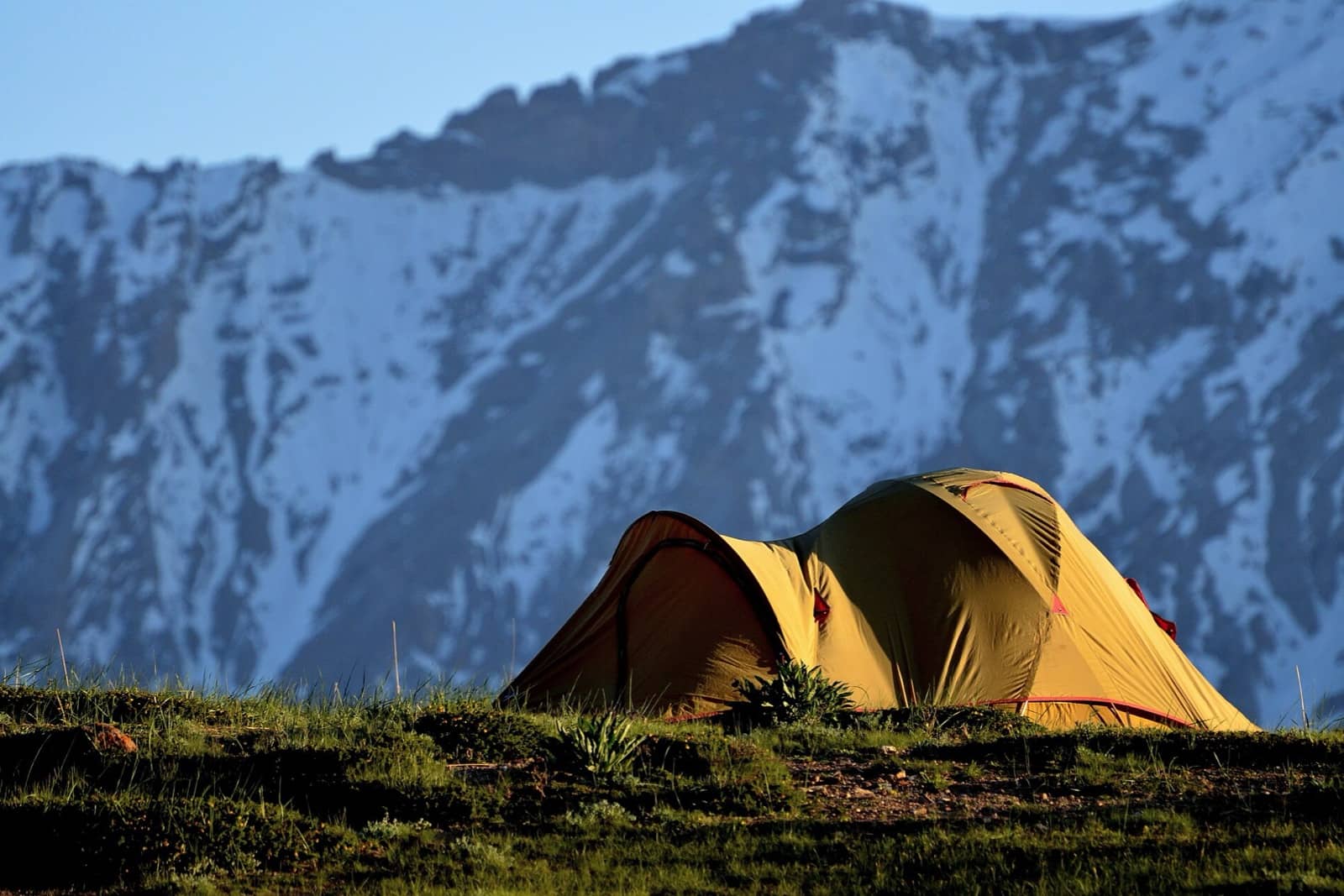
Teahouse trekking vs camping
A bed and a kitchen, or a tent and a cook team. The two styles are not better and worse — they suit different routes and different people.
25 Aug 2026
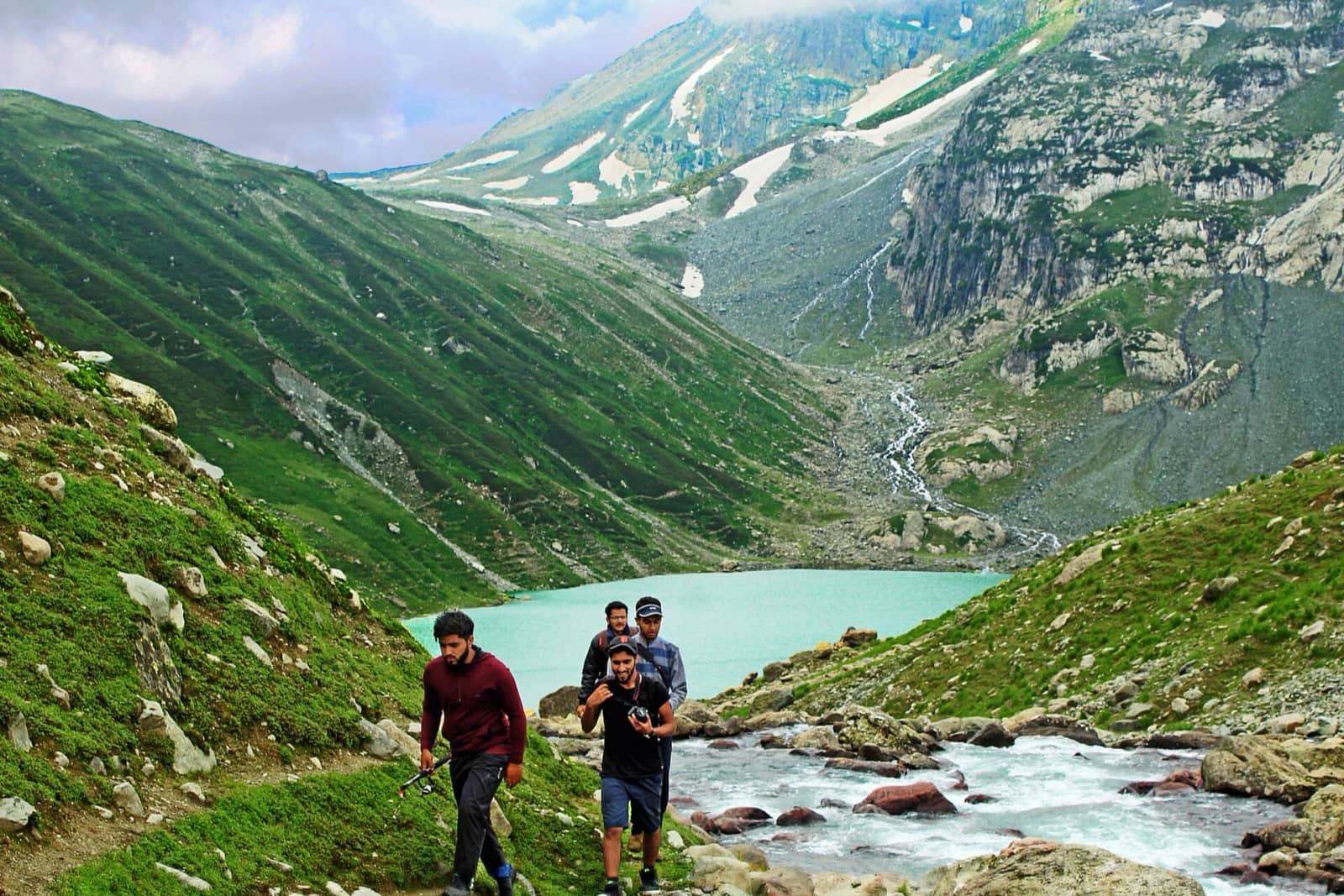
How we grade trips
Easy, Moderate, Challenging, Strenuous — what each grade is actually promising, and why the day-by-day matters more than the word.
22 Aug 2026
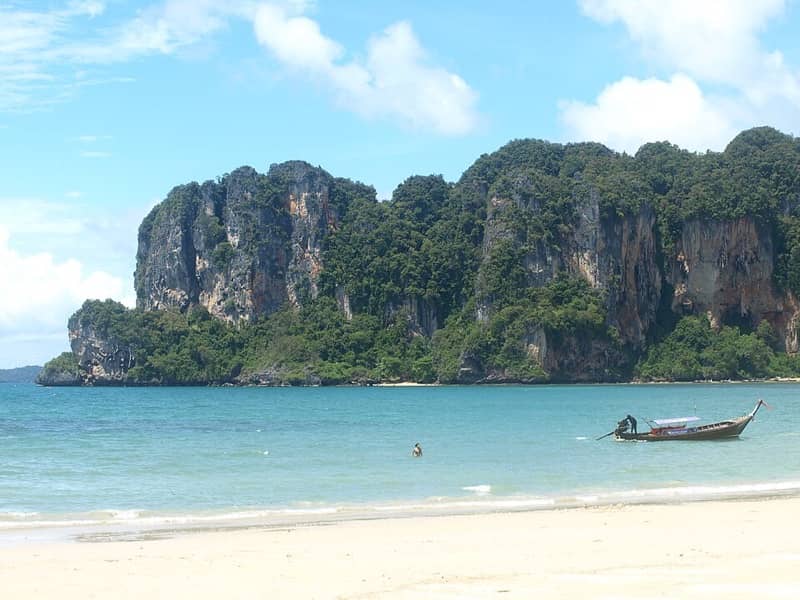
Visa-easy escapes for Indian passports
Visa-free, on arrival, and on a permit — what the three actually mean at the counter, and which of our destinations sit in each.