22 Aug 2026 · Himgiri trips desk
Visa-easy escapes for Indian passports
Visa-free, on arrival, and on a permit — what the three actually mean at the counter, and which of our destinations sit in each.
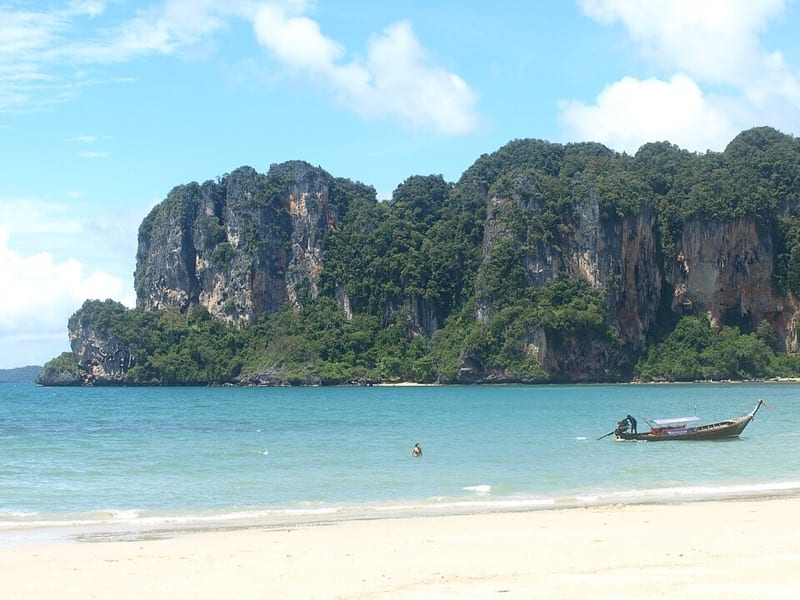
"Visa-free" is used loosely enough in travel advertising to be nearly meaningless. At an immigration counter it means something specific, and so do the two arrangements it usually gets confused with.
Visa-free means you arrive with a passport and are admitted for a stated period without applying for anything or paying anything. Thailand has run this for Indian passport holders since 2024, for stays of up to 60 days, and Nepal has never required a visa from Indians at all — a passport or an Election Commission voter ID gets you in overland or by air. Mauritius admits Indian tourists on arrival for up to 90 days on the strength of a return ticket and confirmed accommodation. The thing to understand about these arrangements is that they are policy, not treaty: they are renewed, amended and occasionally suspended, which is why every destination page on this site carries the position as we last checked it and tells you to confirm close to departure.
Visa on arrival means there is a visa, and you get it at the airport — usually after a queue and a fee. Indonesia's e-VOA is the example most Indians will meet: around IDR 500,000, payable online in advance or at the counter in Denpasar, good for 30 days and extendable once. The Maldives gives a free 30-day stamp on arrival to everybody, subject to a return ticket, six months of passport validity and the online Traveller Declaration. On-arrival is easy but it is not nothing — carry the paperwork and expect it to be checked.
A permit, not a visa is Bhutan. Indian nationals need no visa, but they do need an entry permit applied for online through Bhutan's Department of Immigration before travel, plus a passport or voter ID — and a passport or birth certificate for anyone under 18. There is also the Sustainable Development Fee, at a concessional ₹1,200 per adult per night for Indians, which is a real cost that some operators leave outside their quoted price. Ours includes it, and the trip page says so.
And the near-miss. Sri Lanka needs an Electronic Travel Authorisation, applied for online, usually approved within a day and also issuable on arrival at Colombo. That is easy, and it is still an application. We list it under visa-easy because it takes minutes rather than weeks, not because there is nothing to do.
Two habits worth keeping regardless of category. Carry six months of passport validity beyond your arrival date, because almost every country on this list asks for it. And apply on the official government portal, never on the lookalike site that ranks above it — the fee on those is several times the real one for exactly the same document.
Where this goes next
More from the journal
29 Aug 2026
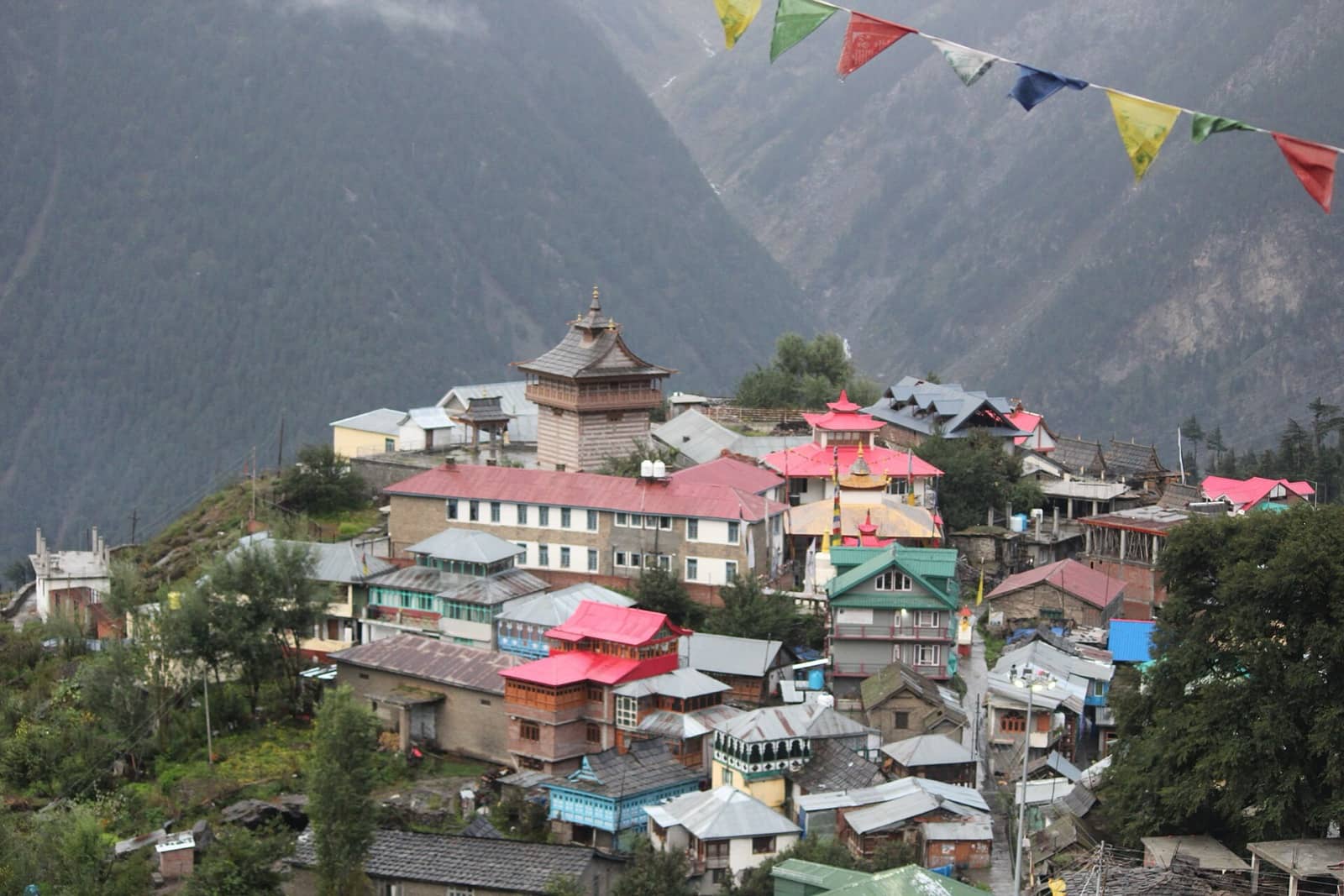
Choosing your first high-altitude trip
Above about 2,500 m the trip stops being only about fitness. What to expect, how acclimatisation is built into an itinerary, and which routes are a sensible first.
27 Aug 2026
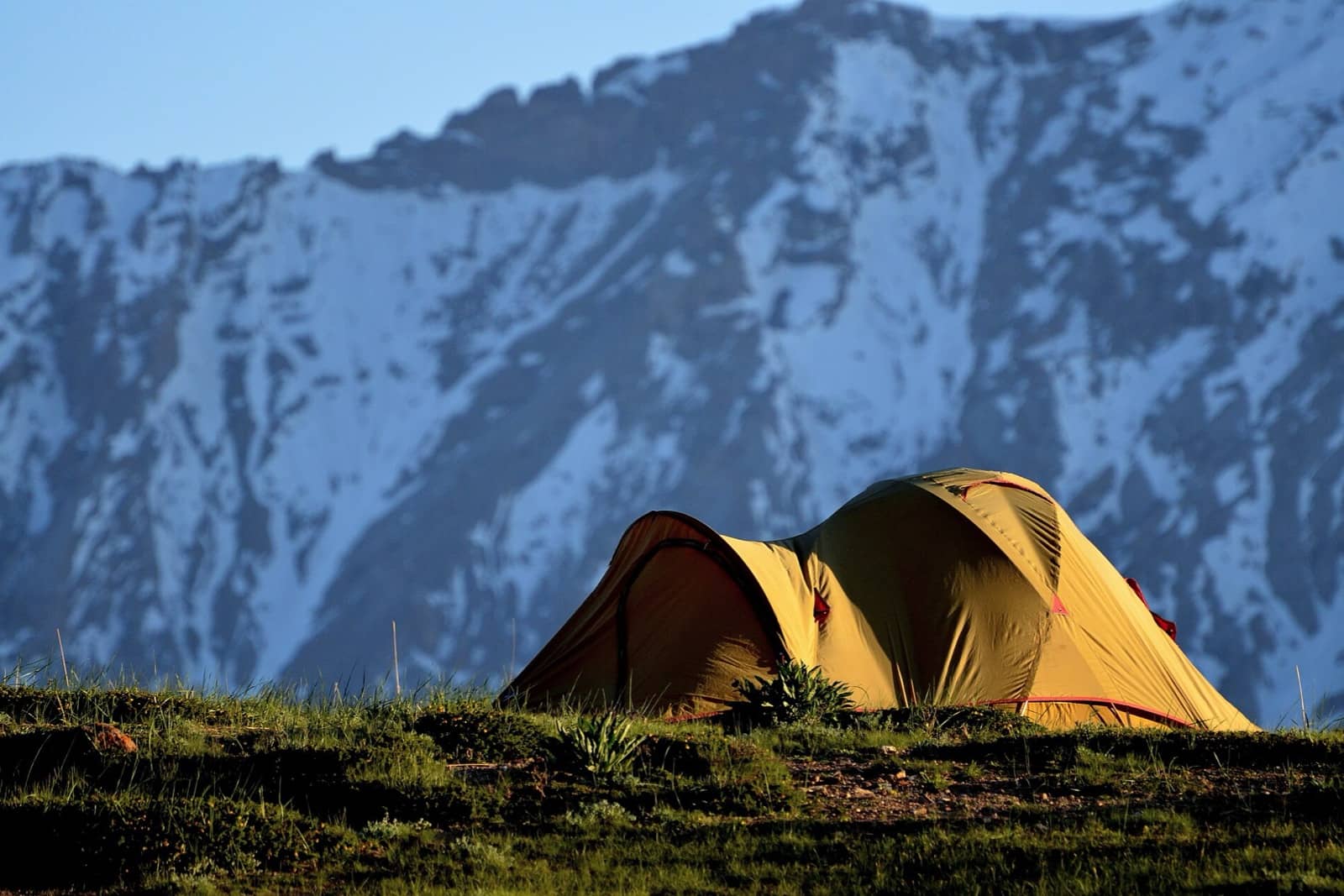
Teahouse trekking vs camping
A bed and a kitchen, or a tent and a cook team. The two styles are not better and worse — they suit different routes and different people.
25 Aug 2026
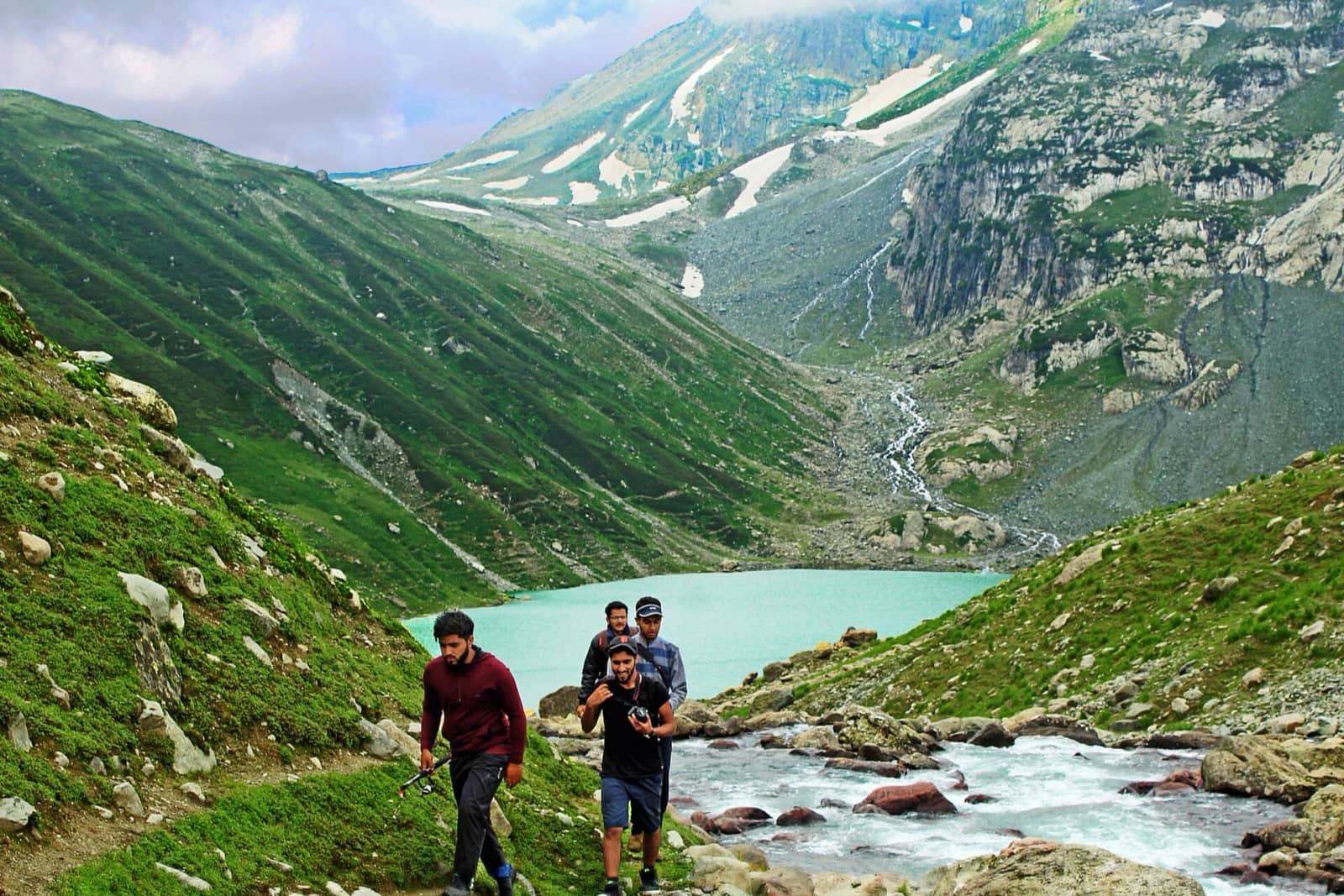
How we grade trips
Easy, Moderate, Challenging, Strenuous — what each grade is actually promising, and why the day-by-day matters more than the word.