27 Aug 2026 · Himgiri trips desk
Teahouse trekking vs camping
A bed and a kitchen, or a tent and a cook team. The two styles are not better and worse — they suit different routes and different people.
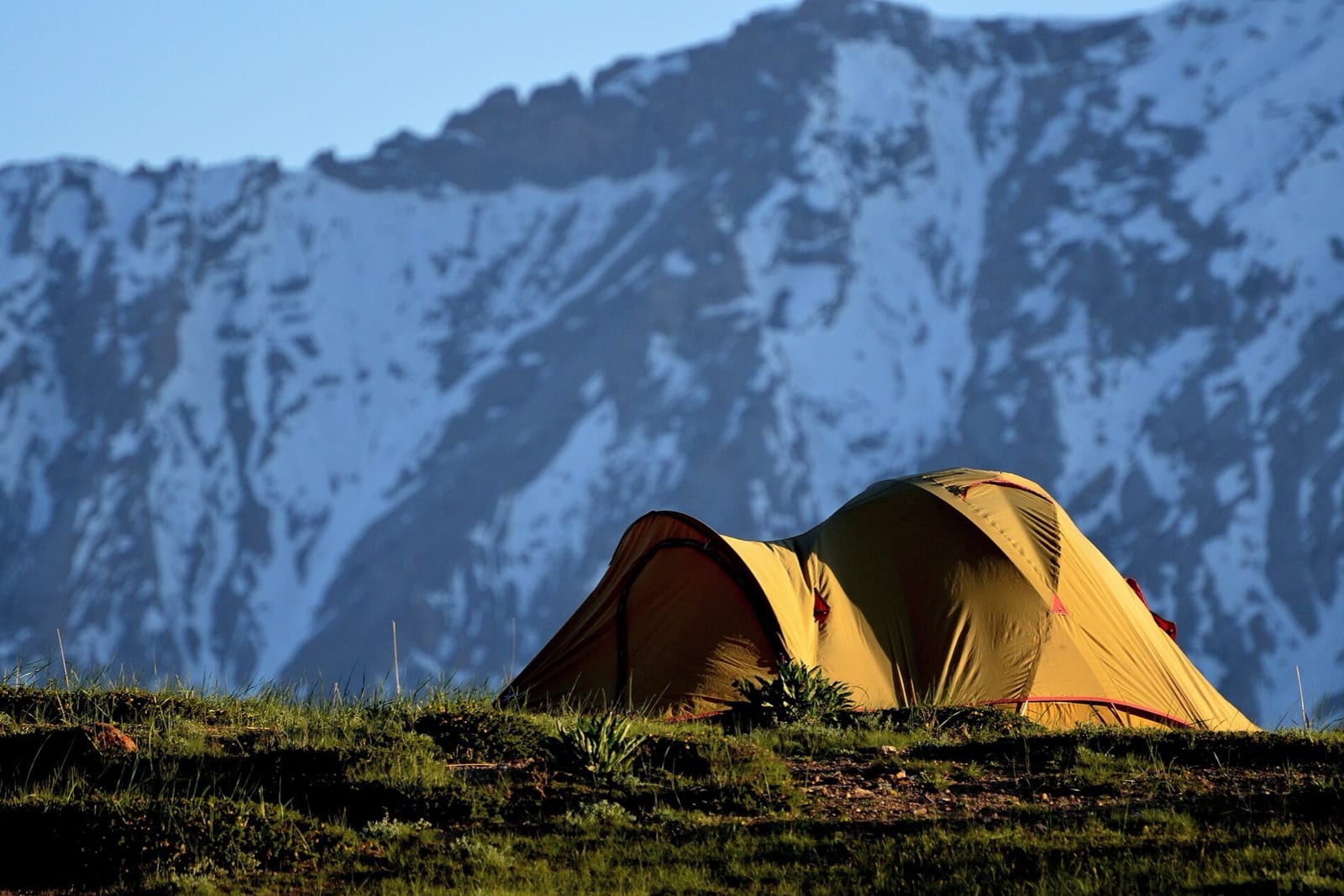
Two trekkers can walk the same number of hours on the same gradient and come home with completely different memories of the week, because one slept in a lodge and the other slept in a tent. It is worth knowing which you are booking.
Teahouse trekking means the route has permanent lodges, spaced roughly a day apart, run by the families who live there. You walk with a day pack, arrive at a building, and eat food cooked in a kitchen. The Annapurna and Everest regions of Nepal are the classic examples, and much of their appeal is exactly this: infrastructure built up over forty years by people whose livelihood it is.
What you gain is weight and comfort. No tent, no sleeping mat, no cook kit, no group gear — the pack is light, the day ends indoors, and there is usually a stove in the dining room. What you give up is choice. You stop where the lodges are, not where the ground is best; in high season the good ones fill and the group may be split across two; and the walls are plywood, so a lodge is warm in the dining room and cold in the bedroom. Bring a sleeping bag anyway.
Camping means the route has no lodges, or the ones it has are not where the trek needs to be. A camping trek carries its own accommodation, kitchen and staff — on our Bhutan routes that includes pack ponies for the group kit and personal loads. You sleep where the route makes sense, which is often a meadow or a lake shore with nothing else on it, and you eat food cooked for your group rather than ordered off a laminated card.
What you gain is the ground itself: the best campsites in the Himalaya are places no lodge will ever be built. What you give up is convenience and, honestly, warmth. Nights are colder, mornings are slower, and the walk to the toilet is a walk. The trade also shows up in the price — a camping trek carries a crew and equipment, and that is most of why it costs more per day than a teahouse route.
Which to pick. If it is your first multi-day trek, a teahouse route is the gentler introduction: you can concentrate on the walking and on how altitude feels without also learning to live outdoors. If you have camped before and liked it, camping routes take you to better places with fewer people on them.
Two things are the same either way, and they are the two that decide how the week goes: the group is capped small, and the day plan is the real description of the trip. Read it before the photographs.
Where this goes next
More from the journal
29 Aug 2026
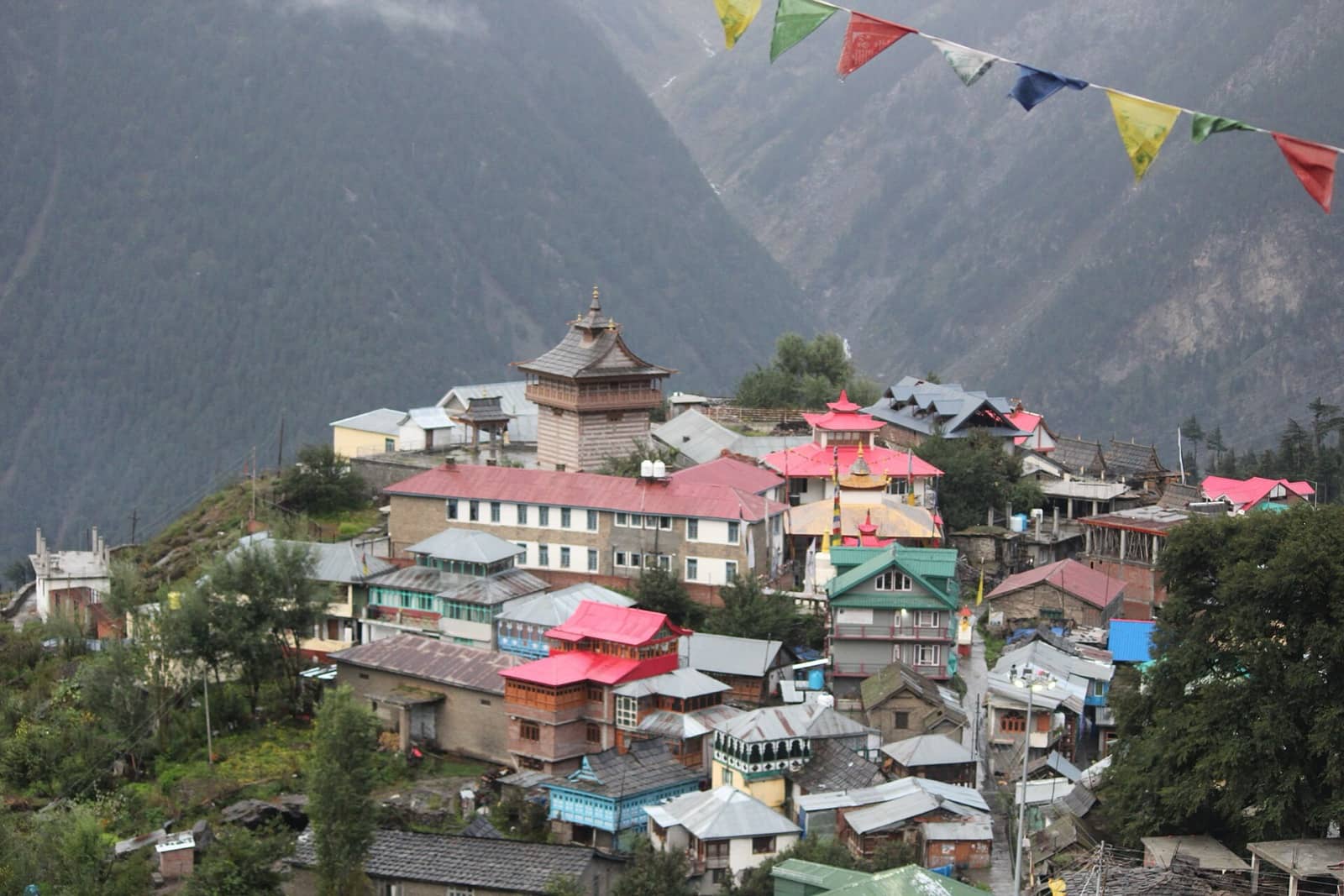
Choosing your first high-altitude trip
Above about 2,500 m the trip stops being only about fitness. What to expect, how acclimatisation is built into an itinerary, and which routes are a sensible first.
25 Aug 2026
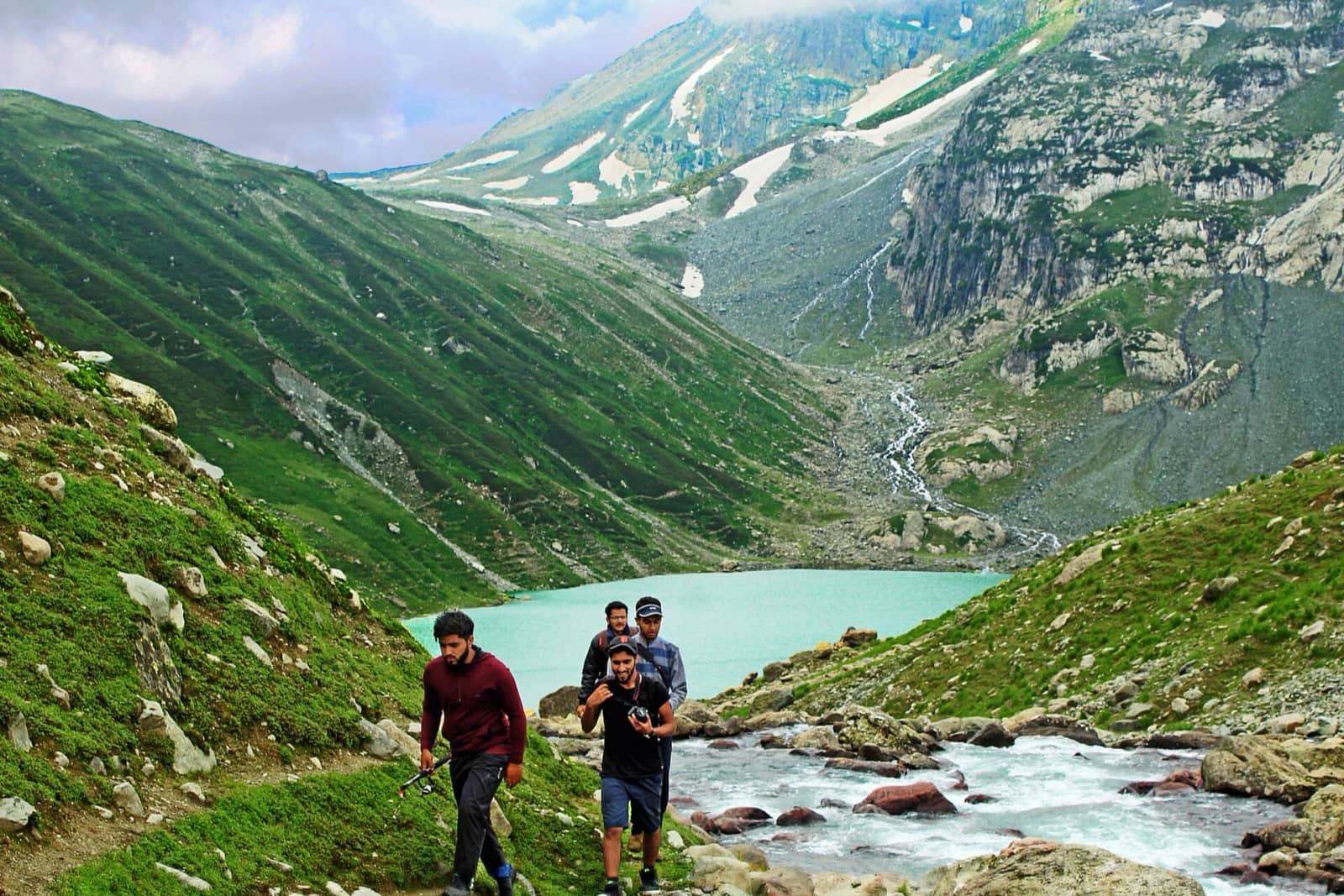
How we grade trips
Easy, Moderate, Challenging, Strenuous — what each grade is actually promising, and why the day-by-day matters more than the word.
22 Aug 2026
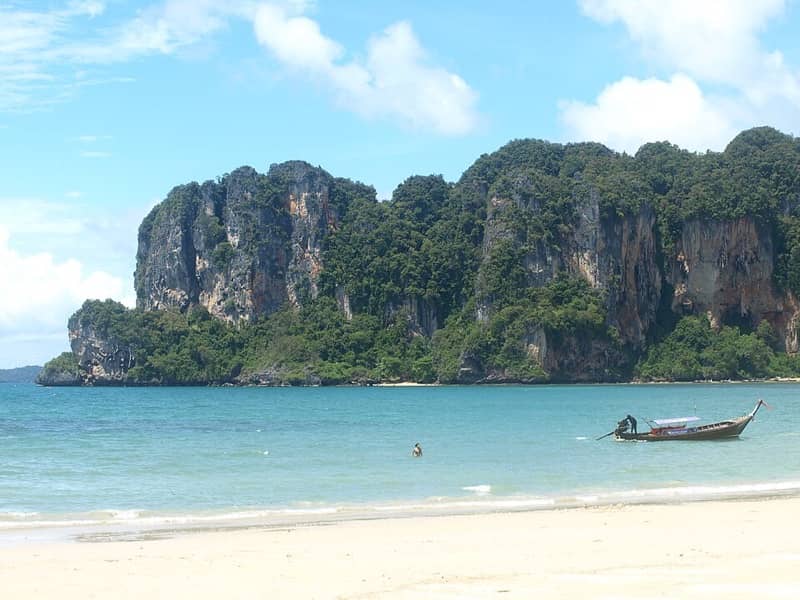
Visa-easy escapes for Indian passports
Visa-free, on arrival, and on a permit — what the three actually mean at the counter, and which of our destinations sit in each.