25 Aug 2026 · Himgiri trips desk
How we grade trips
Easy, Moderate, Challenging, Strenuous — what each grade is actually promising, and why the day-by-day matters more than the word.
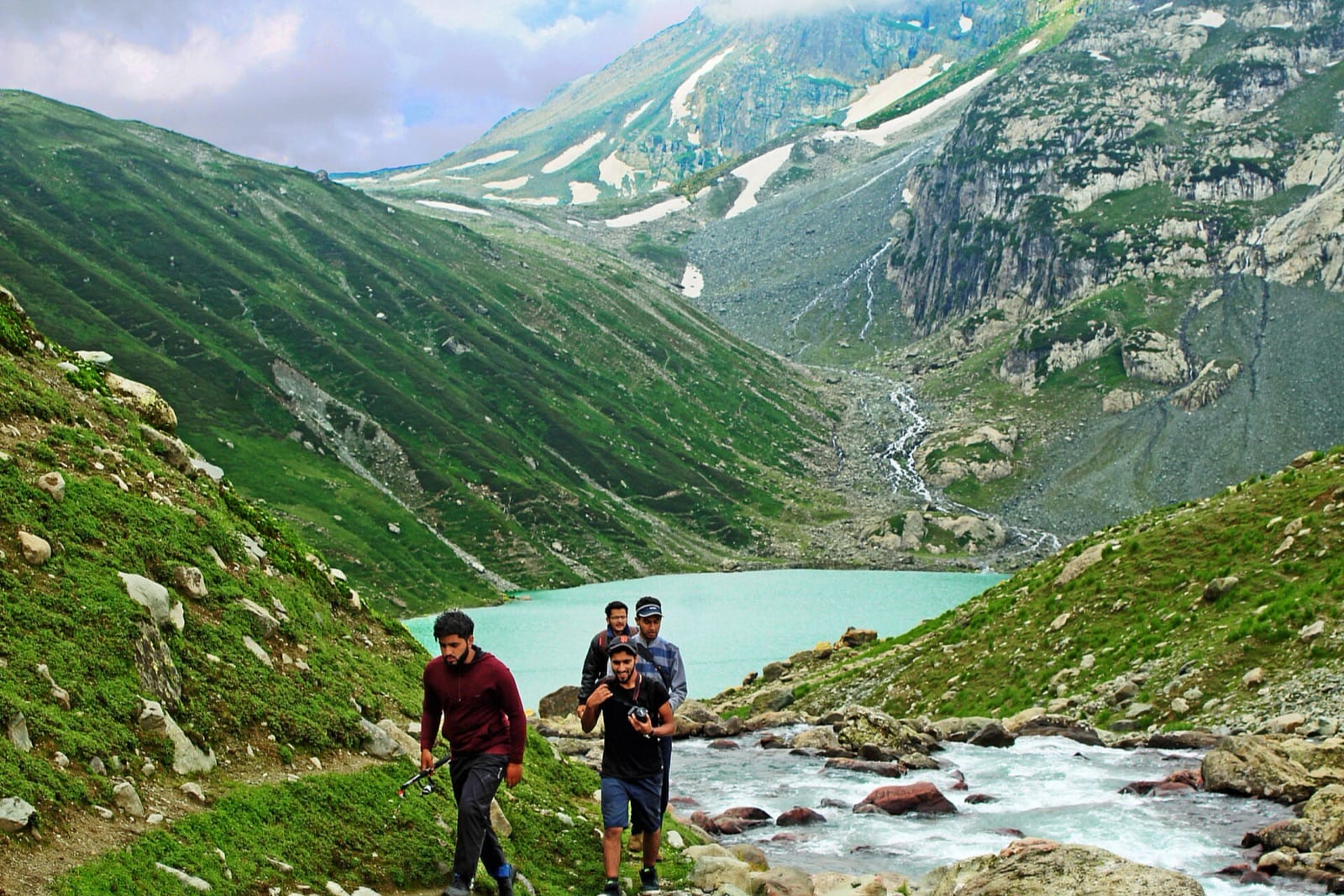
Every trip on this site carries one of four grades. They are not decoration and they are not comparative marketing — a Moderate here should mean the same thing as a Moderate on the next trip page, or the grade is useless.
Easy. Full days out, but nothing that requires training. Walking is optional or short, the altitude stays low enough not to be a factor, and the pace is set by the sightseeing rather than the ground. Most of our backwater, heritage and short-break trips sit here. If you walk regularly and can manage a flight of stairs without stopping, you are fine.
Moderate. Four to six hours of walking on some days, on real trails with gradient, or a road trip that spends days at altitude. This is the grade where preparation starts to change the experience: a month of walking beforehand is the difference between noticing the view and noticing your legs. Most Himalayan teahouse routes and most of our high-altitude road trips are Moderate.
Challenging. Long days, sustained ascent, and camping rather than a bed at the end of them. Expect six to eight hours of effort, a pass crossing, cold nights and no easy exit from the middle of the route. You should have done a Moderate trek before this and enjoyed it.
Strenuous. Multi-day commitment at real altitude with consecutive hard days, technical or exposed sections, and a genuine possibility that weather changes the plan. Experience is a prerequisite, not a bonus.
Why the grade is not the answer. A grade compresses a week into one word, and the compression loses exactly the information you need. Two Moderate trips can be completely different propositions — one with a single long day and five short ones, the other with six identical medium days and no rest. That is why every trip page carries a day-by-day plan with what each day asks of you, and why we would rather you read six paragraphs than trust one adjective.
Altitude is a separate axis. It is not folded into the grade, because it does not behave like effort. A short, flat walk at 4,500 m can be harder than a long climb at 1,500 m, and the difference is physiology, not fitness. Where a trip goes high, the itinerary is built with acclimatisation days in it and the day plan says where they are. Do not skip them to save a day.
If you are between two grades, call the desk and describe the hardest thing you have done recently — the route, the days, how you felt on the third one. That is a much better input than a fitness self-assessment, and it is the conversation we would rather have before you book than on day two.
Where this goes next
More from the journal
29 Aug 2026
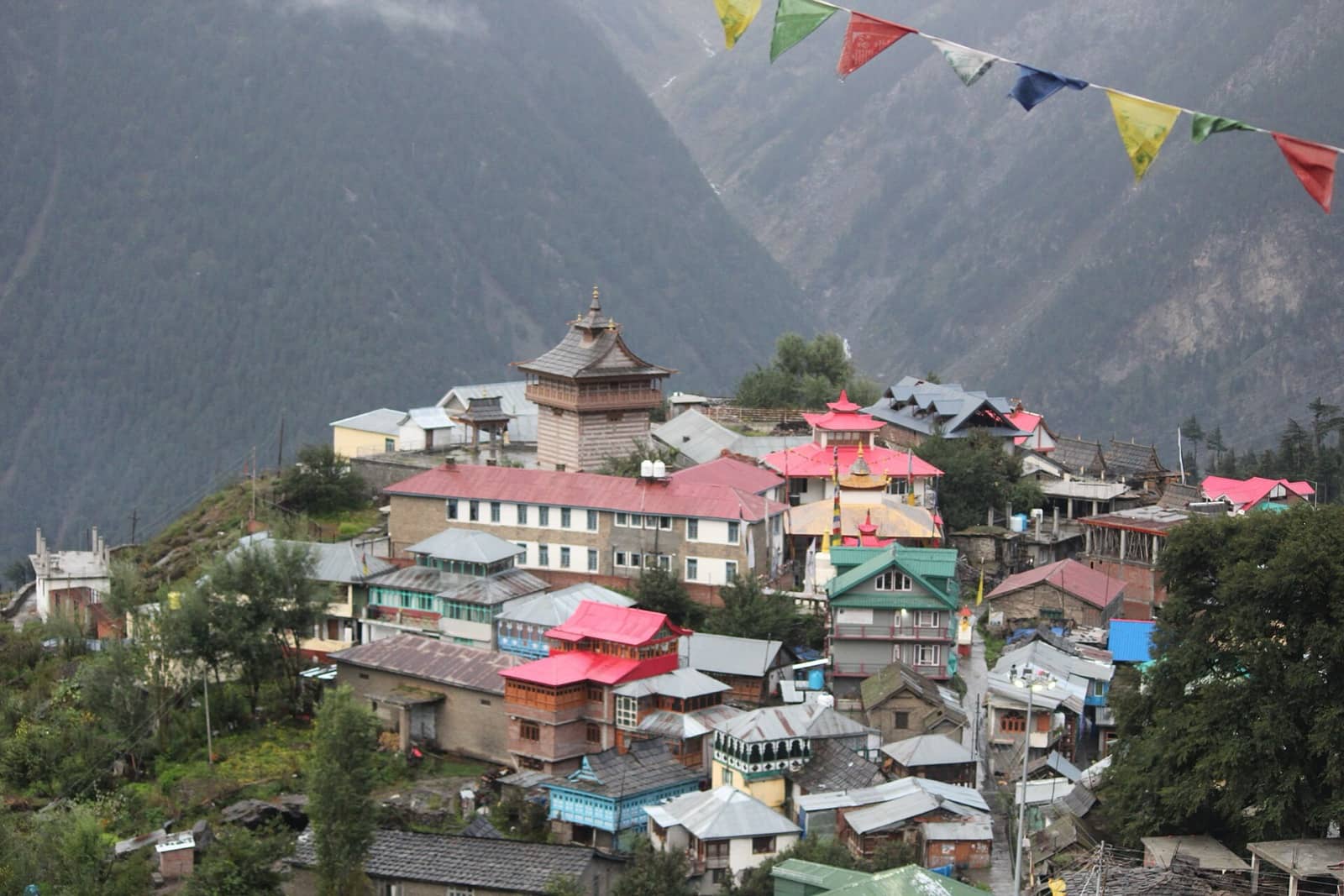
Choosing your first high-altitude trip
Above about 2,500 m the trip stops being only about fitness. What to expect, how acclimatisation is built into an itinerary, and which routes are a sensible first.
27 Aug 2026
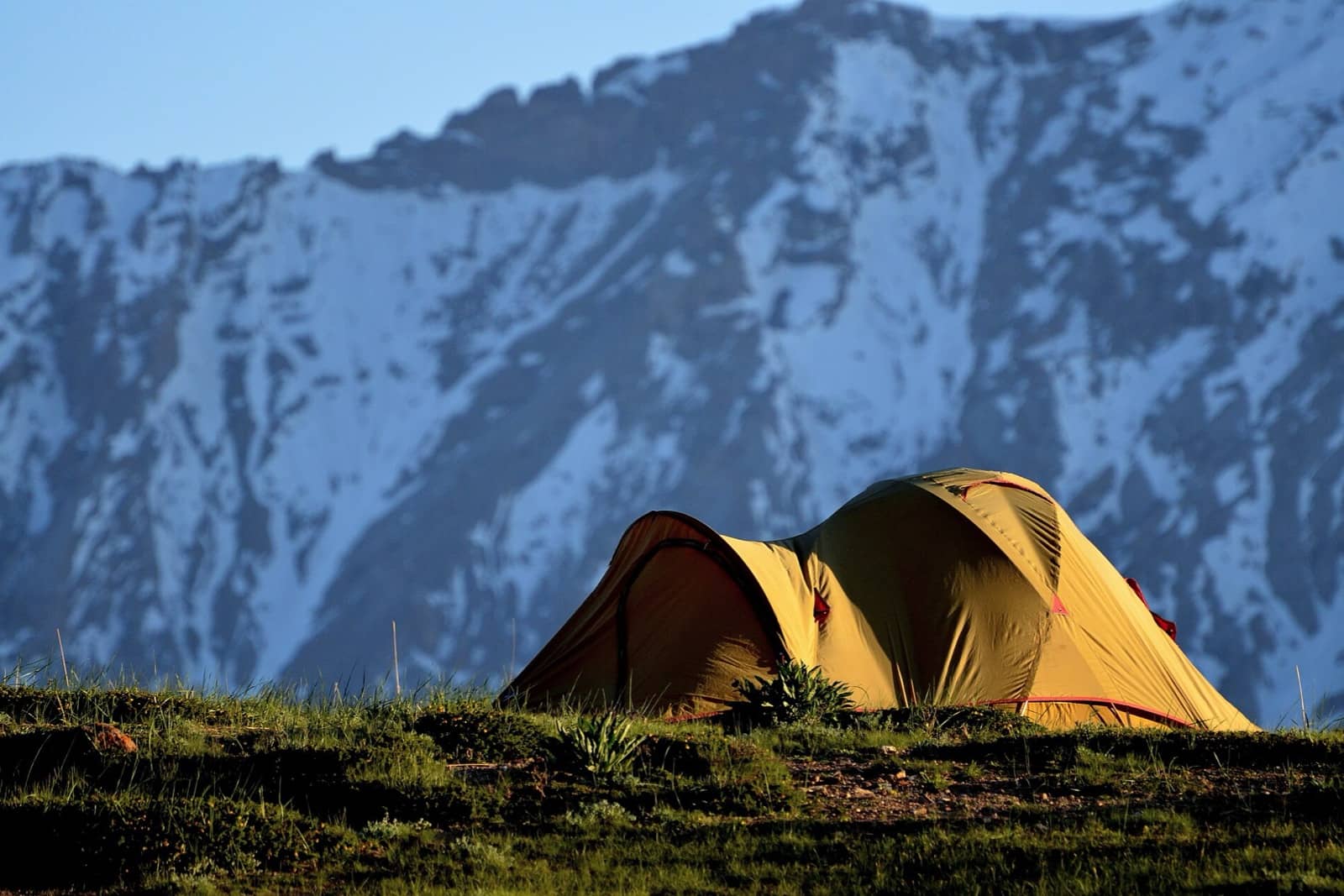
Teahouse trekking vs camping
A bed and a kitchen, or a tent and a cook team. The two styles are not better and worse — they suit different routes and different people.
22 Aug 2026
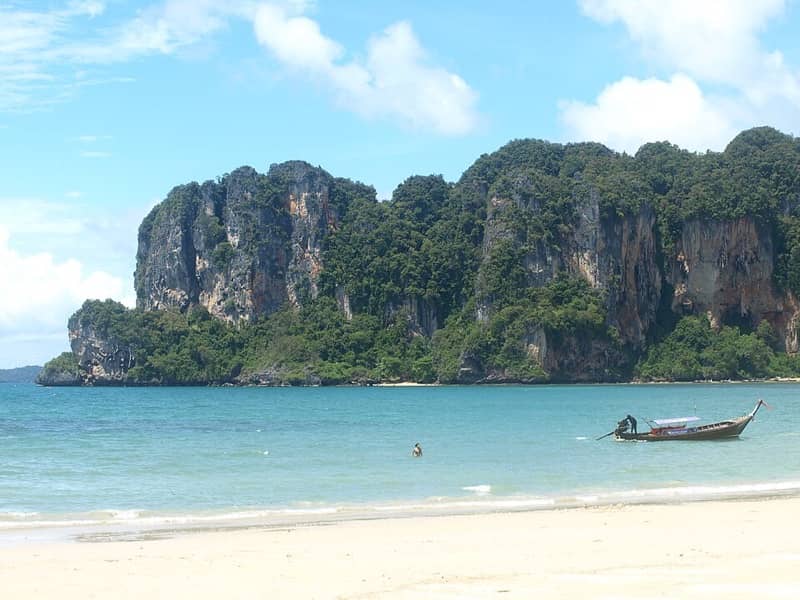
Visa-easy escapes for Indian passports
Visa-free, on arrival, and on a permit — what the three actually mean at the counter, and which of our destinations sit in each.