12 Aug 2026 · Himgiri trips desk
Reading a Himalayan weather window
Why a trek's dates are set months ahead, what actually closes a pass, and how to read a forecast that only covers the valley.
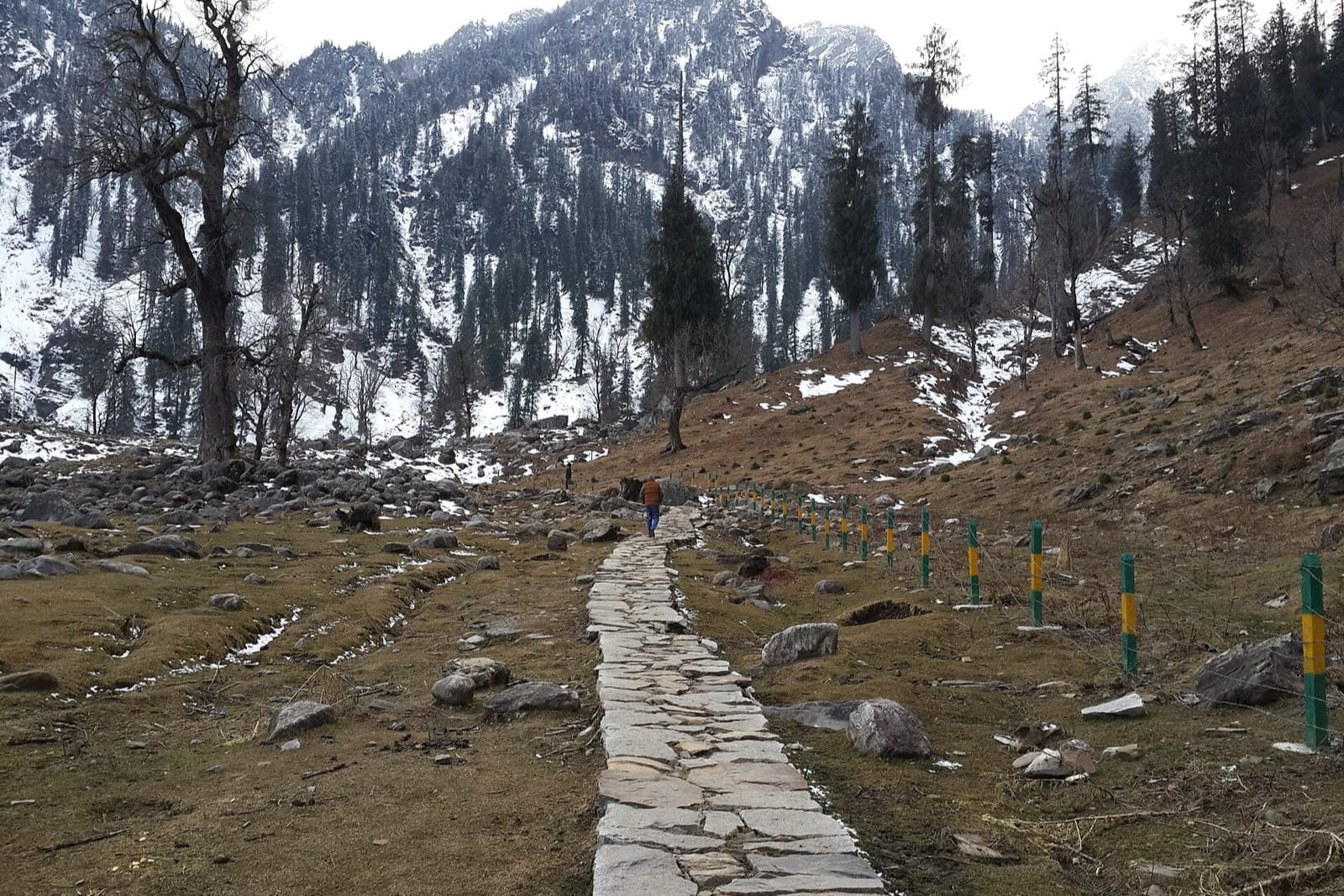
People ask us for a trek in the second week of July because that is when the leave was approved. The honest reply is usually that the route exists in July and the weather in it does not, and that a week in early October will give them the trip they think they are booking.
A Himalayan season is not one thing. On the southern side of the main range — Uttarakhand, Himachal, the Kumaon foothills — the monsoon arrives in the last week of June and stays until early September. Trails go greasy, river crossings that were ankle-deep in May become genuinely dangerous by afternoon, and the views people came for sit under cloud for days at a time. Behind the range, in Spiti and Ladakh, the same months are dry and warm and are the only sensible time to be there at all, because the roads in are closed by snow for the other half of the year.
That is the first thing to hold on to: "best season" is a statement about a specific valley, not about the Himalaya. The dates on each of our trip pages are that valley's window, not a marketing preference.
What actually closes a route. Rain rarely does it on its own. What ends a departure is a pass under fresh snow with no track across it, a bridge taken out upstream, a landslide on the approach road, or a state authority shutting a permit zone. Snow on a 4,000 m pass in late October is normal and manageable with the right kit; the same snow with a storm behind it and a group of twelve is not, and that is a judgement the leader on the ground makes on the day, not one anybody makes from an office in advance.
Forecasts and what they are worth. Almost every forecast you can pull up on a phone is for the nearest town with a weather station — Manali, Leh, Joshimath — and the campsite you are asking about may be 1,500 m above it and on the other side of a ridge. As a rough rule, expect the temperature to drop by about 6°C for every 1,000 m of gain, expect the afternoon to be worse than the morning, and treat a five-day forecast as a shape rather than a schedule. Beyond about three days in mountain terrain, what you are reading is a probability, not a plan.
How this changes what we sell. We publish a date only once the season, the stay and the crew for it are settled, which is why some regions on this site have trips and others say "itineraries on request". If the month you can travel is the wrong month for the trek you want, we will say so and offer you a different route rather than run the same one badly. That costs us a booking now and again. It costs less than the alternative.
Where this goes next
More from the journal
29 Aug 2026
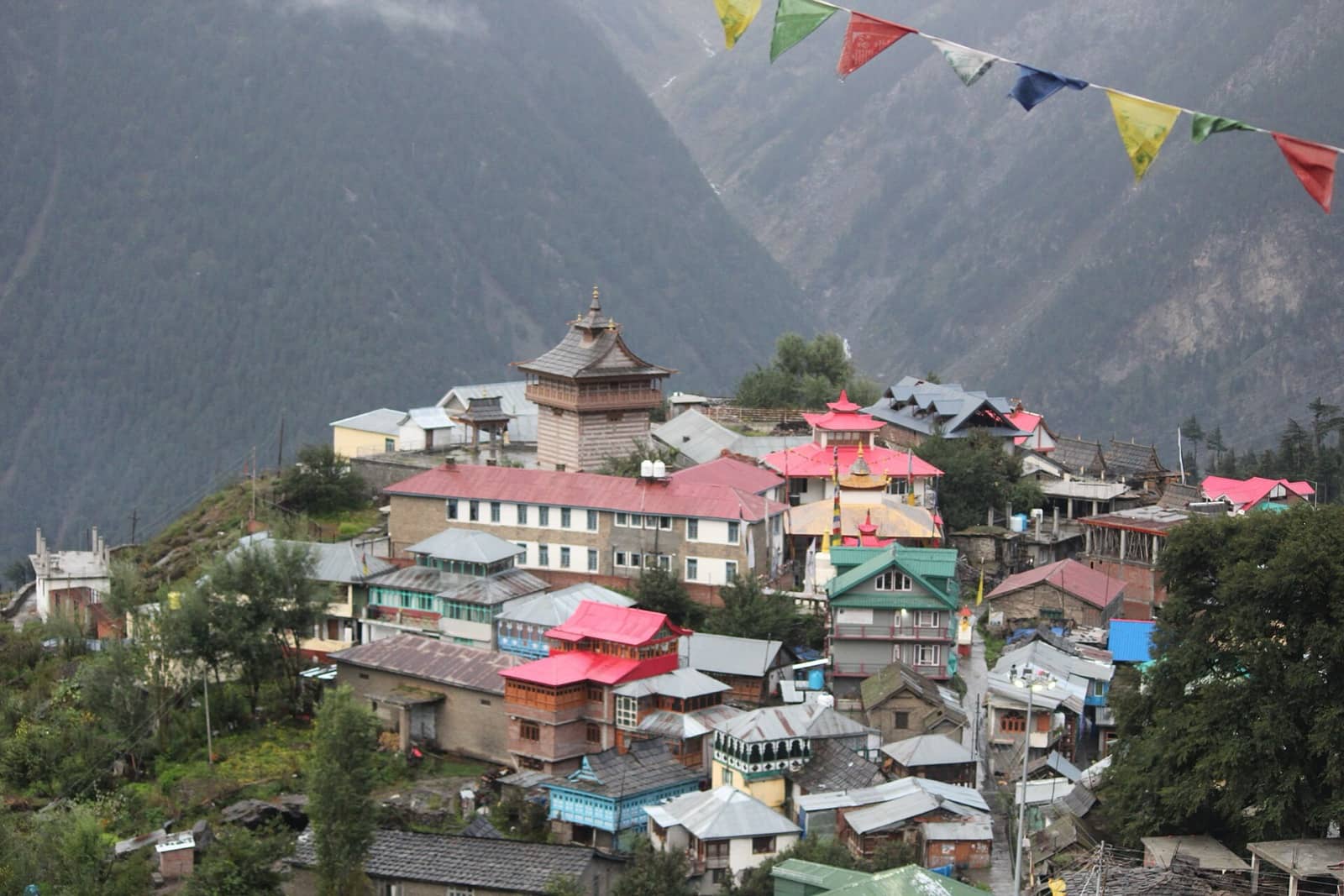
Choosing your first high-altitude trip
Above about 2,500 m the trip stops being only about fitness. What to expect, how acclimatisation is built into an itinerary, and which routes are a sensible first.
27 Aug 2026
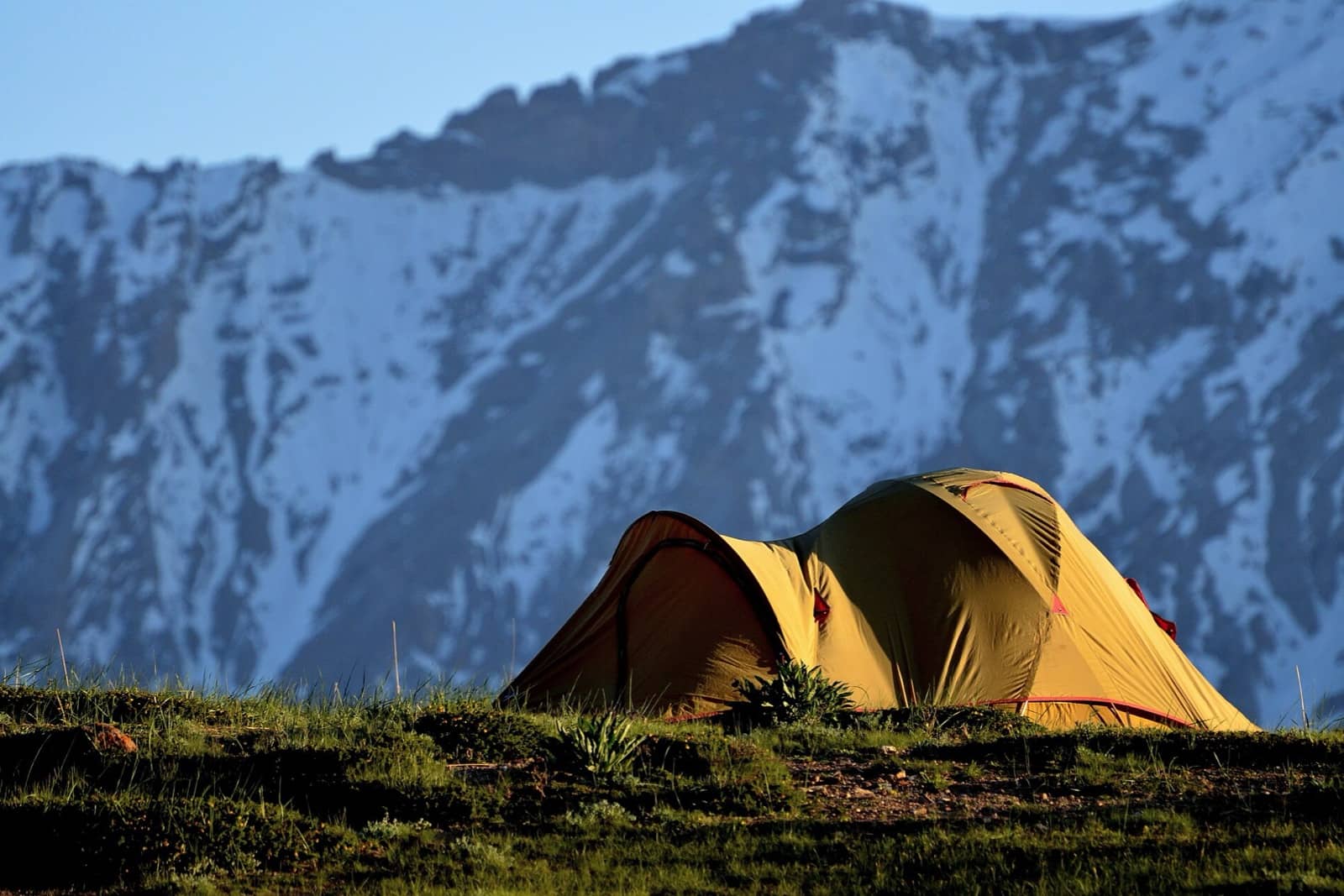
Teahouse trekking vs camping
A bed and a kitchen, or a tent and a cook team. The two styles are not better and worse — they suit different routes and different people.
25 Aug 2026
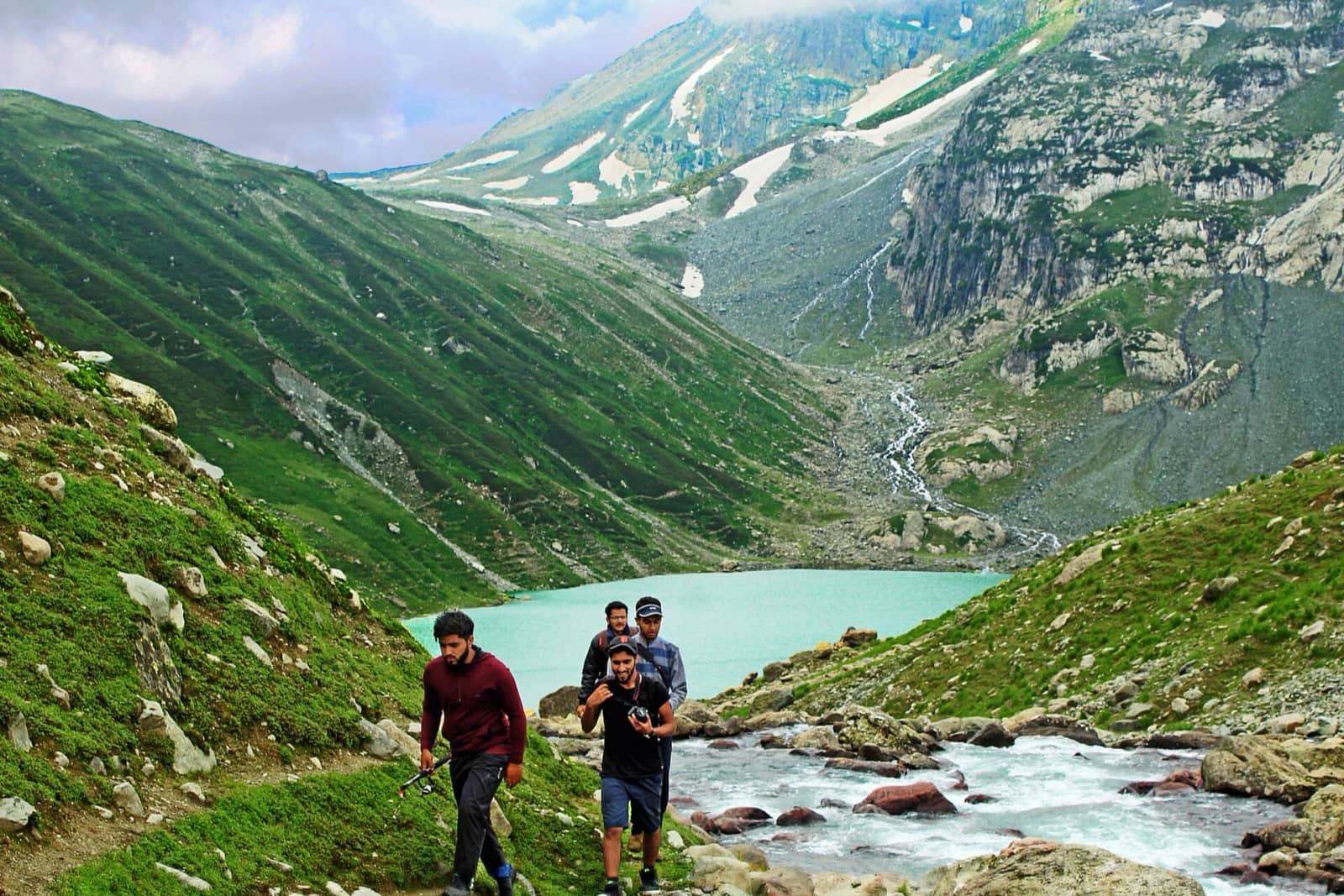
How we grade trips
Easy, Moderate, Challenging, Strenuous — what each grade is actually promising, and why the day-by-day matters more than the word.